
13 Ways to Get Your Summer Thrills in Tasmania
Make the most of the longer days this summer with adrenaline-fueled adventures and nature-rich experiences, right on your doorstep.
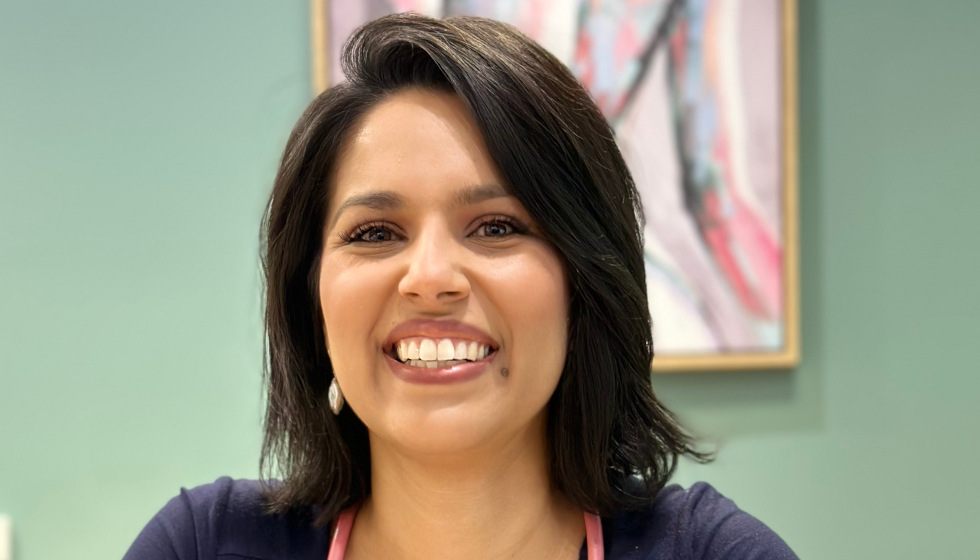
Awareness of perimenopause has grown in recent years, so we reached out to Launceston-based Dr. Natasha Vavrek to learn more about it and discover practical steps for women going through it. Dr. Vavrek is the Director at The Bubble Tasmania and a consulting specialist women’s GP.
What is perimenopause and how does it present? Perimenopause is the time before menopause and can start up to ten years before menopause does. 42 is about the average age perimenopause starts for women. 75 percent of women will experience hot flushes and night sweats, which can be extremely severe for one third of those women. In fact, one in eight of those women will have the symptoms for the rest of their lives. The other really common symptom is a change in mental health. Women will experience heightened anxiety, depressed mood, irritability, and rage. They’ll also notice a change in their period. They may notice their cycles are getting a bit shorter, the length of their period longer, and the heaviness may change. Or it might change in the other direction. There are many other symptoms as well. Joint aches and pains, tiredness and fatigue, dry and itchy skin, hair loss, vaginal dryness, and lowered libido. The list is long.
What’s the most random symptom you’ve heard of? Itchy ear canals!
What should women do if they think they’re starting to have these symptoms? The first thing is to talk to someone, usually a GP. A lot of GPs these days have really great education regarding menopause, which wasn’t a thing in the past. The idea is to get evidence-based advice. With this rise in knowledge about menopause, which is amazing, unfortunately we also have a lot of misinformation in the community that is not evidence-based. There are a lot of people that are pushing supplements, lotions and potions. Things that are just going to waste people’s money.
What treatment options are out there, and does everyone need to be treated? Options can range from lifestyle – dietary and exercise – all the way to hormonal replacement therapy or menopause hormonal therapy (MHT). We have really great options these days that are safe, and it’s a matter of finding what works for you. Women shouldn’t be suffering in silence anymore. And not everybody will need treatment. 25 percent of women won’t even experience the hot flashes and night sweats. Some women will feel hot every now and then, but it’s manageable. I think it is important, though, for women entering their 40s and 50s to prioritise lifestyle. Eat a good varied diet and exercise. We know that dementia is the biggest killer of women in Australia, and the best combat that we have against dementia is exercise.
How have treatments changed over the years? Hormone therapy has come such a long way. Many decades ago it was horse urine! Before that doctors would play around with testicular juice. What we’ve seen in the last 20 years is this progression into body identical hormones, which are very safe and effective, and not synthetic. There’s less side effects and risks which means better outcomes for patients. I think that’s the thing most people are afraid of. Breast cancer is one of those big risks that everybody is worried about. That came to the forefront over 25 years ago with the release of the Women’s Health Initiative study where there was this big misinterpretation of data, where hormone therapy was thought to increase or cause breast cancer. In truth, risks are mild for women under 60, and slightly higher for over 60, but not in the way that it was represented in the media. Women who drink two glasses of wine per night have a greater risk of breast cancer than someone on hormone therapy.
Perimenopause seems to be a more public phase of life now. Why do you think that is? I think it’s because we’re talking more about it. When I started working in this space a decade ago, no woman would come in for a menopause consult. In fact, if you brought it up, they would instantly say no to hormones. Five years ago, I still had to convince women that MHT is safe and effective. Fast forward to now, menopause consults are the most common presentation to the clinic, and women come in wanting the hormones. Social media is wonderful in getting that information out, and women talking to their friends and work colleagues. I have women coming in that were sent by their daughters or husbands who have read about it. I think that’s wonderful. Women that take this treatment can feel like themselves again in just a matter of weeks to months.
How can partners and loved ones help out? Showing an interest is really important. I love it when partners come along to the appointment, because they want to learn about what’s going on in their partner’s body. This is not something that women make up. It’s real. I think understanding that is the first part, and then going on that journey with their partner.
What are your top tips for women experiencing perimenopause? Lifestyle is really important. It’s not just about taking tablets, gels or patches. It is ensuring that we exercise and eat well. Reduce alcohol, cut back and ideally stop smoking. The second top tip is to talk to someone. Find a GP that works in this space, because the more educated you are, the better equipped you’re going to be. My third top tip is if you are suffering, don’t be afraid of hormones. We’ve come a long way and there’s a lot of safety behind them. If you’re not sure about that, then talking to a GP about that data and breaking down the science to understand it can really help you go a long way.
Stay up to date with everything happening at the Hobart Magazine.