
13 Ways to Get Your Summer Thrills in Tasmania
Make the most of the longer days this summer with adrenaline-fueled adventures and nature-rich experiences, right on your doorstep.
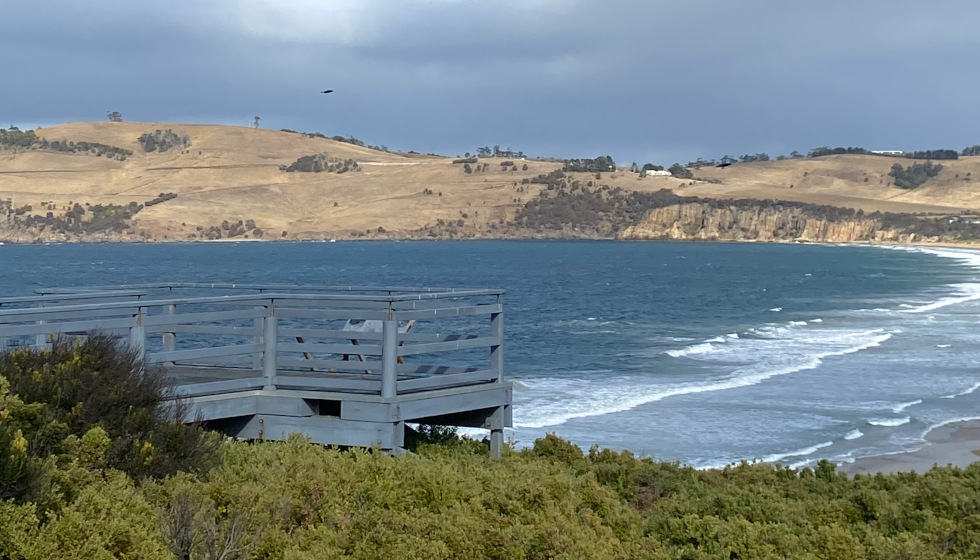
Clifton Beach is backed by an interconnected set of three formally declared reserves: Clifton Beach Coastal Reserve; Cape Deslacs Nature Reserve and Pipe Clay Lagoon Reserve. These reserves have varied microclimates, ranging from beach, saltmarsh, heathland, grassland, forest and woodland, and offer interesting, easy walking.
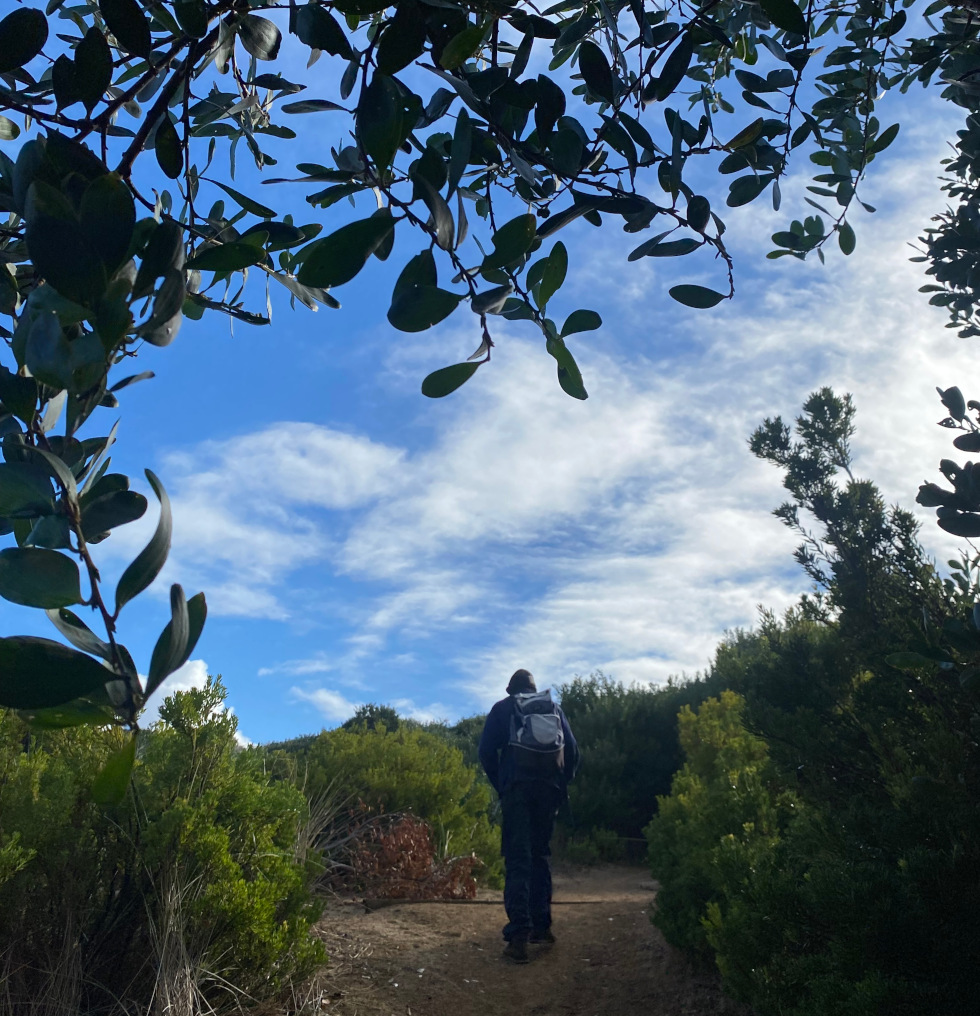

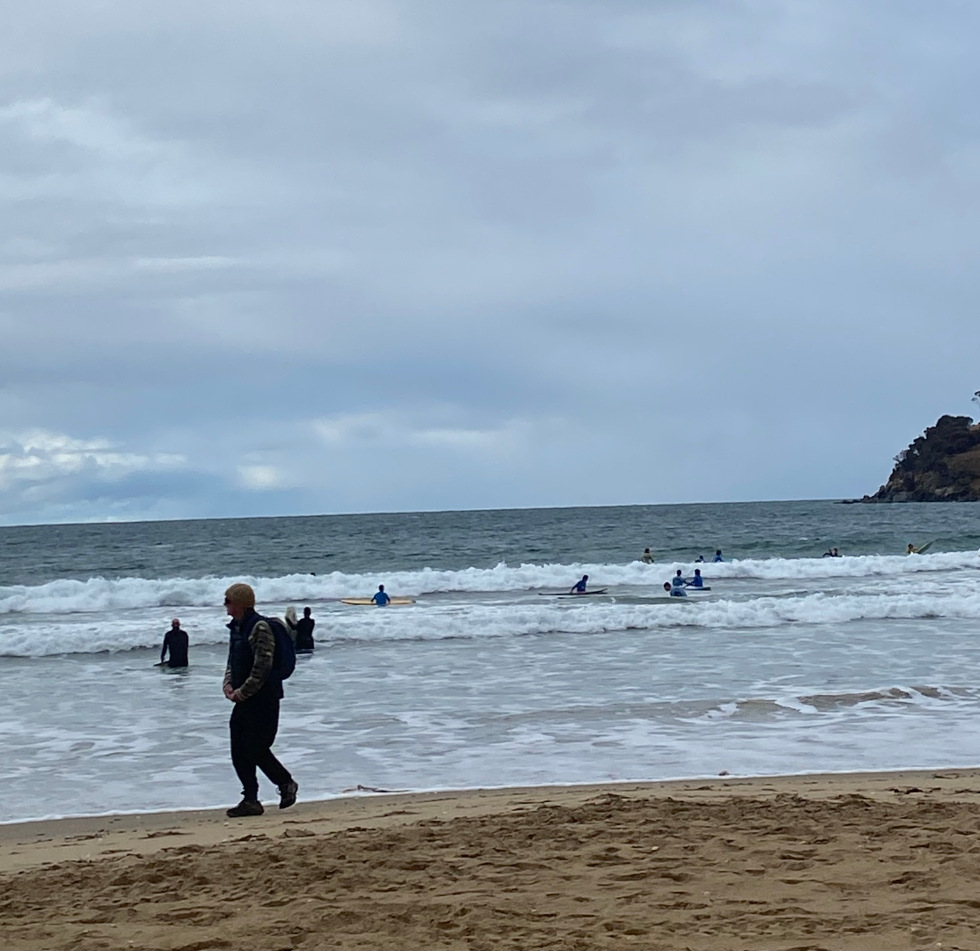
Clifton Beach is 25 kilometres southeast of Hobart, via the South Arm Road to Clifton Beach Road. We parked in the Clifton Beach Reserve car park at the end of this road. We commenced our walk along Clifton Beach, which is bound by the 54 metre high Cape Deslacs in the east and 50 metre high rocky cliffs in the west. The beach faces southeast into Storm Bay, exposing it to southerly swells that produce high waves, delighting the surfers we saw braving the cold water.
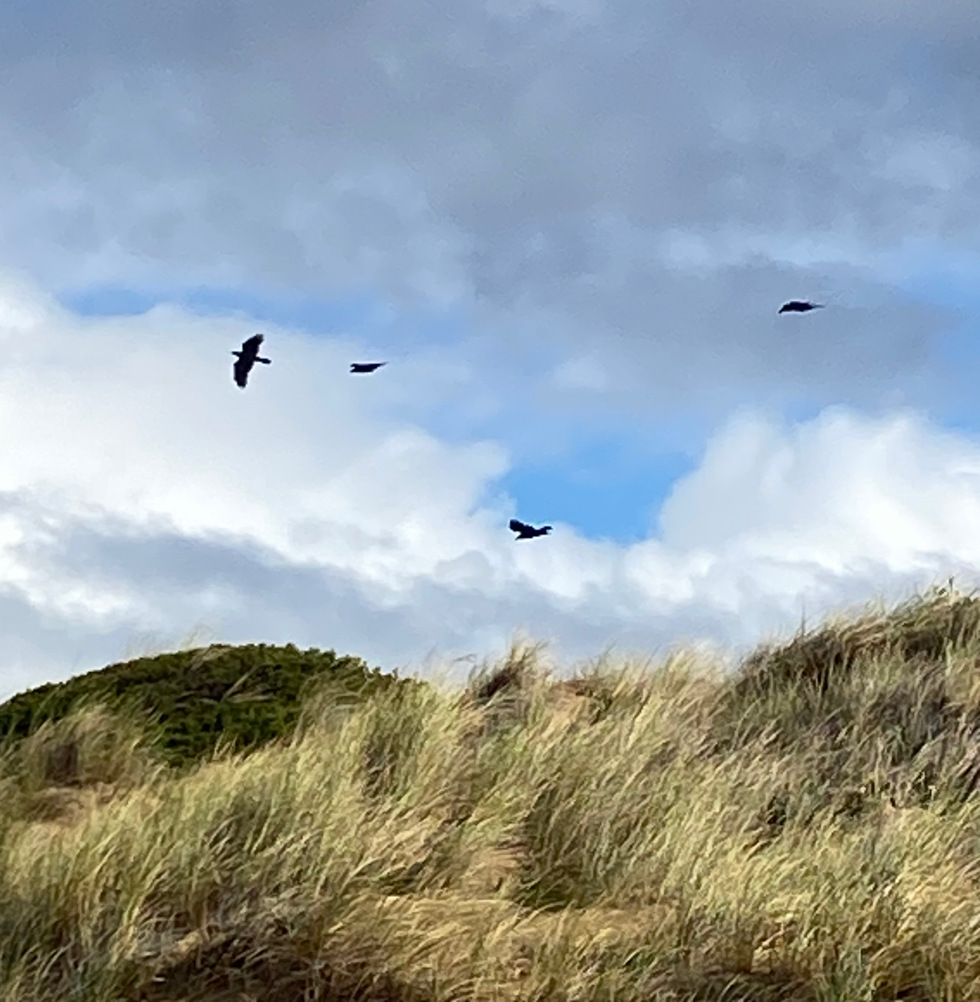
The Cape Deslacs Track commences from North Clifton Beach, winding through gently sloping sand dunes covered in dense vegetation to reach the Short-tailed Shearwater (Tasmanian Muttonbird) colony on Cape Deslacs, and the Cape Deslacs Lookout. At the lookout we enjoyed panoramic views west of Clifton Beach, south to Bruny Island, and across the dunes to Pipe Clay Lagoon. An informative noticeboard at the lookout gave detailed information about the Short-tailed Shearwater.
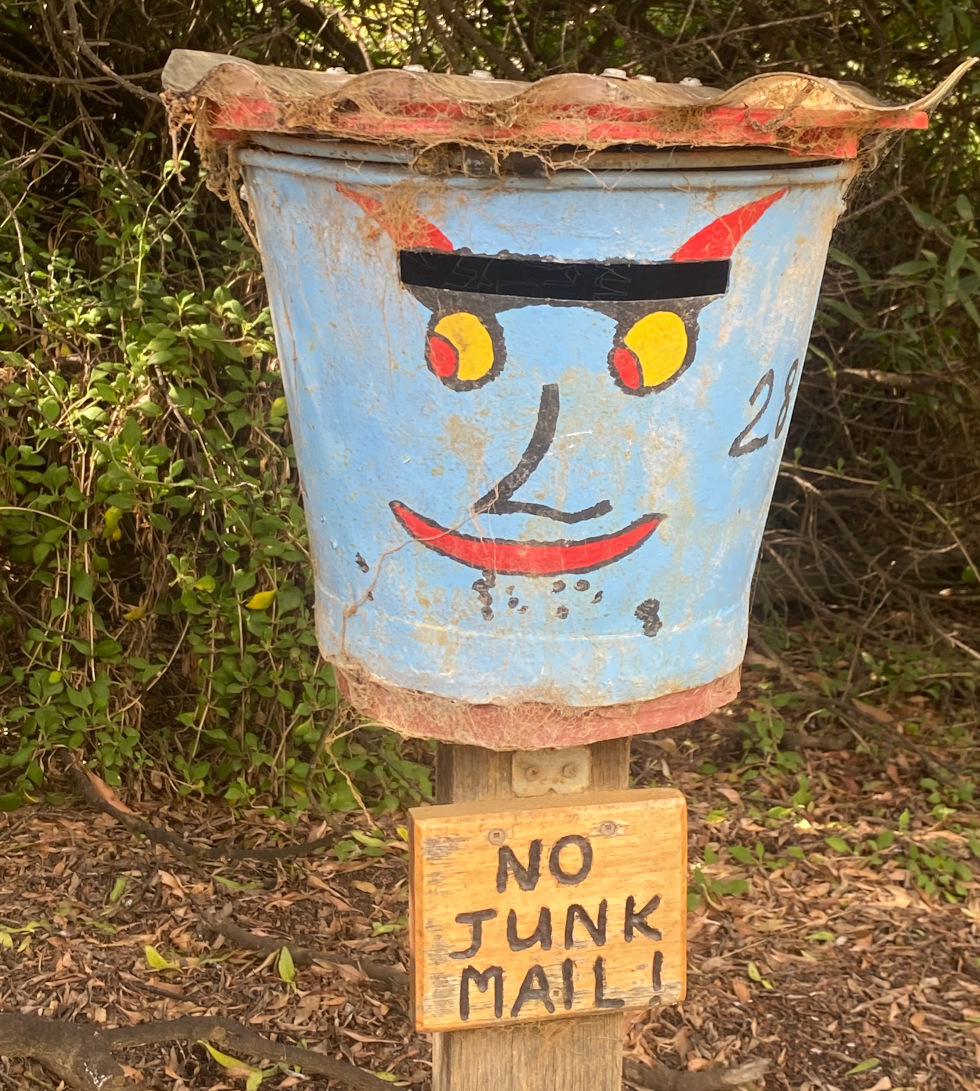
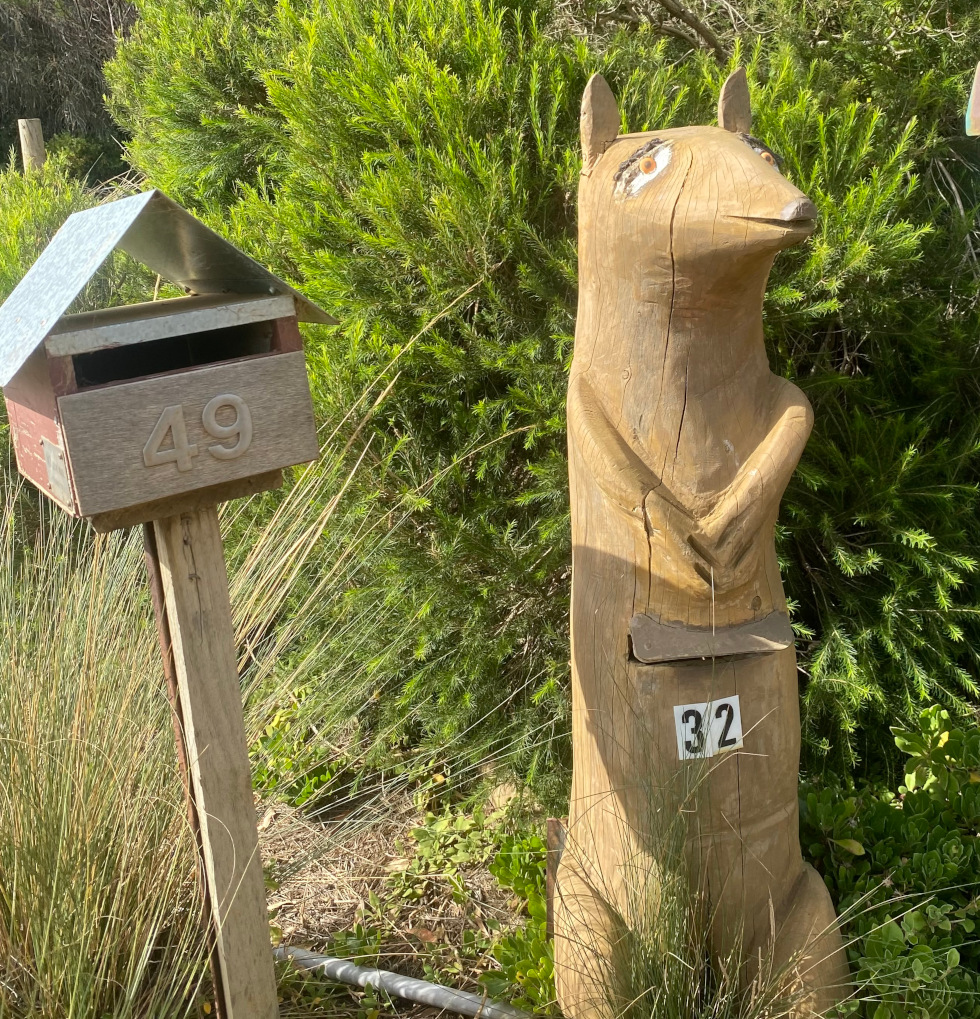
We followed the Cape Deslacs Track to Bicheno Street, and Pipe Clay Lagoon Reserve. The Clifton Saltmarshes fringe the edge of the Lagoon’s south bay, with views of distant hills across the calm waters. Bicheno Street returned us to the Clifton Beach car park, via Thompson Way. Whimsical, witty mailboxes line the entry to Thompson Way, an amusing conclusion to our exhilarating six kilometre winter walk.


Stay up to date with everything happening at the Hobart Magazine.