
13 Ways to Get Your Summer Thrills in Tasmania
Make the most of the longer days this summer with adrenaline-fueled adventures and nature-rich experiences, right on your doorstep.
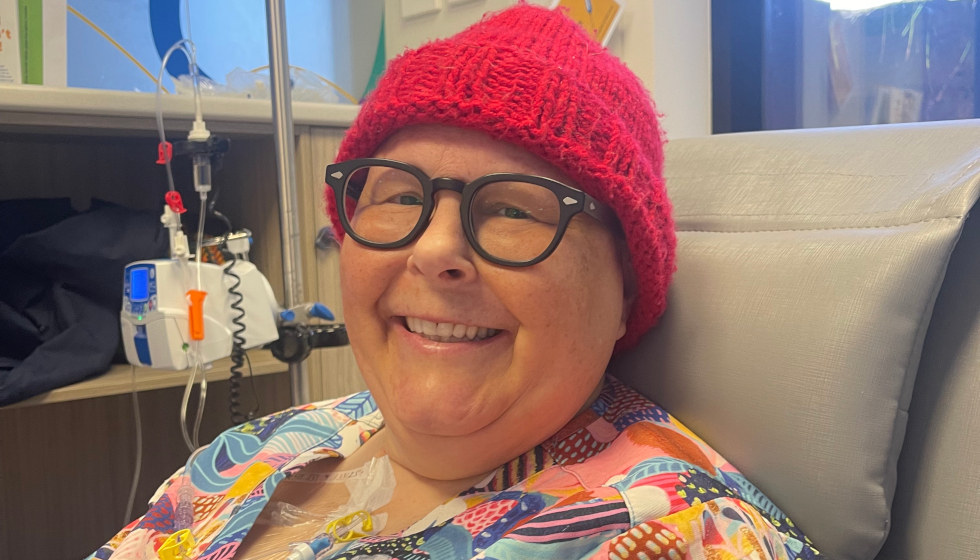
Pelvic physiotherapist, founder and cancer survivor Rachel Andrew wants everyone to check their breasts and keep up the routine scans. Ahead of Breast Cancer Awareness Day on 13 October, we had a chat to get her take on how you can keep yourself in check and help others who may be navigating a similar journey
What does Breast Cancer Awareness Day mean to you? It’s a day with a new meaning for me. In some ways I am still weirdly in denial. But I am so grateful for the awareness and the funding that has gone into research for treatments! It shows what can change if the government and philanthropists fund research into women’s health. If it had been twenty years ago, with the diagnosis I had, the outcome would have been very different. Yet, here I am with a complete pathological recovery.
You were diagnosed with breast cancer in May 2025. How was it discovered? It was found on a routine breast screen. I had a call back and even though I didn’t know, I wasn’t hopeful that it was just a faulty scan. I’d been feeling unwell and fatigued for a while. When you are called back in, you have an ultrasound, and a biopsy, see a surgeon, and wait in between. Unfortunately, as I walked into the room for the first ultrasound, I saw my mammogram on the screen, and a big, central lump. I knew.
From there, everything went very quickly, a few days later, I was called back for a formal diagnosis. I had triple negative breast cancer and was referred to a surgeon, an oncologist, The ABSOLUTELY AMAZING, Dr Louise Nott. I had a special scan (a PET scan) to make sure it hadn’t spread, and had a portacath put in under my skin (a little button near my collarbone, going to my central vein, where they could put the treatments in – this meant I didn’t need an IV catheter each time).
I had the treatment through the ICON centre, which was exceptional, but we are so lucky in Hobart, as many of the staff work at The Royal Hobart as well. I know my treatment would have been as good there and I took the first available. I had the works! Six months of chemotherapy, a year of immunotherapy, surgery and radiation, but gosh am I happy that was an option for me, as these are the latest treatments for this cancer. The medical team looked after me, my partner and my mum and dad. My partner, Colette, was just there for the tea and biscuits, perfect for dipping in.
I wasn’t able to work as treatments were regular, and intense, but I made the gym “my job” and went three times a week religiously. A quick shout out to Hobart Exercise Physiology who are amazing and are still supporting me in my recovery. They told me, “Let the chemo in and then exercise it out!” There is evidence around exercise and survivorship, but that phrase really got me through, and the structure of the gym sessions was good for my mental health too.
What do you want our readers, of all genders, to know about breast cancer? That it is survivable when picked up. In Tasmania mammograms are FREE from when you are 40 years old, and I have been having them every two years since then. My lump was deep and central. I hadn’t felt it, I thought I was just a bit tired from work. If you have denser breasts you can ask your doctor for an ultrasound, but please do your routine screening (and this includes having a cervical screen, doing the bowel screen and for guys, having a prostate check.)
If you are younger than 40 and you have concerns, see your GP and ask them to check, or ask for a referral for a scan. The other bit of learning is that recovery is up and down and only starts after treatment is complete. Managing expectations is key.
When a friend or family member is diagnosed with cancer, how can we help? I set up a WhatsApp group so I could communicate out how I was once a week. It was too much for me to communicate to everyone individually. I usually did it when I went in for treatment. A friend organised a meal train which was great. Check about food preferences though, as during different times I could not eat anything spicy, or too rich. I found some good milkshakes that were healthy that I enjoyed. Things like muffins/protein balls for the freezer were a nice treat.
I was lucky as I have a supportive partner and family, but if someone doesn’t have this support network, being that friend that steps up and coordinates some care/food, or pops in when chemo is happening (it takes 6-8 hours) can make a real difference. If there are kids, take them on little excursions or care for them in some way. If there is a partner, check in that they’re ok, and give them a shoulder to cry on (as they certainly aren’t allowed to do it to the person going through treatment!) Exercise is key! Help facilitate this and encourage them.
‘Chemo brain’ is a ‘thing’ – I found out! I couldn’t read/do puzzles/knit/even watch a TV program with a storyline – so those things are not great to give as gifts. Sometimes visits were a lot, or I had to decline. You don’t have the energy to ask for help – so sometimes it is up to the other person to take the lead, turn up with a meal, bar of chocolate. One friend dropped in for about 15 mins and brought lovely mini banana and choc chip muffins. We had one each and put the others in the freezer. Our neighbours mowed our lawn and a friend came to do it the next time, without being asked. You don’t really know what you need.
I will never forget, my brother and his family who live in Canberra booked flights, as soon as I was diagnosed. They didn’t mind how I would be at that time, they just came to see me. I really appreciated it, that they came, there was no pressure, and we had a really great week.
You work in the women’s health space as a pelvic physiotherapist and the co-founder of Vagenius Training, an online health training platform. What is your one big piece of advice to women? I see a lot of cancer survivors who have pelvic health issues. Sometimes there are consequences of cancer treatment that can be treated by a pelvic health physiotherapist such as bladder or bowel incontinence, sexual difficulties or pelvic pain. I see many women with pelvic pain and endometriosis, and the one thing I did reflect on during my care was how structured and thorough it was. From day one I had a breast care nurse I could text or email with questions. She did a lot of the coordination of appointments, and was available for support for me or my family.
Although I was grateful, I was also furious! Had the same investment in research been conducted into endometriosis 20 years ago, it would not take 10 years in Tasmania to diagnose. Things are changing here, as almost 20% of GPs are upskilled with our Vagenius training for GPs, thanks to Primary Health Tasmania. I look forward to seeing endo care nurses available, for when someone has a new diagnosis. This drove my partner and I to release our new course for nurses in Persistent Pelvic Pain and endometriosis, released in September. Ultimately my advice is; if you have any pelvic health issues, don’t put up with it, seek help and do your routine screening!
Rachel Andrew now works at The Bubble Hobart.

Stay up to date with everything happening at the Hobart Magazine.