
13 Ways to Get Your Summer Thrills in Tasmania
Make the most of the longer days this summer with adrenaline-fueled adventures and nature-rich experiences, right on your doorstep.
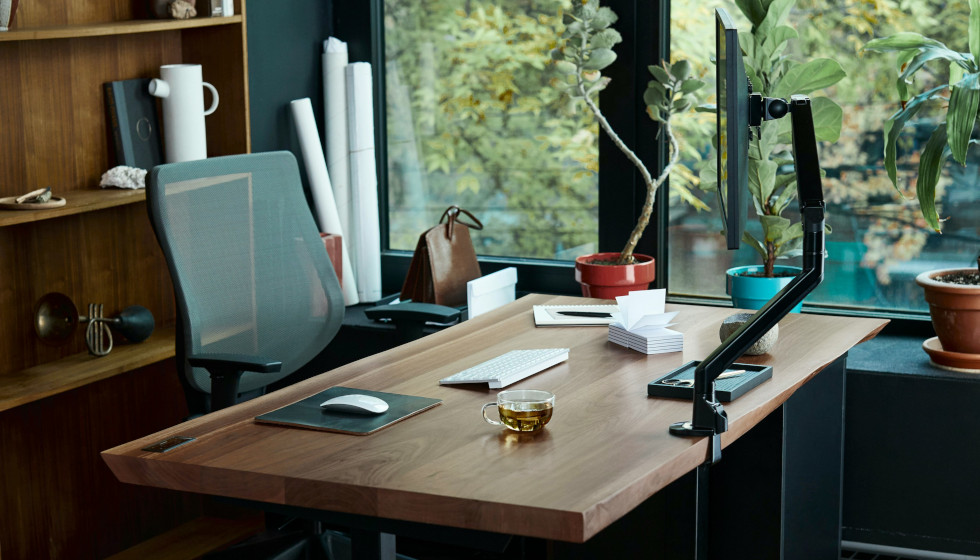
Ah, working from home, or WFH if you’re in the know.
Almost everyone was doing it during the pandemic, and it hasn’t disappeared since. According to the latest data from the Australian Bureau of Statistics, around 36 percent of Australians regularly work from home, Meanwhile, the 2024 Greater Hobart Household Travel Survey found that 11.7 percent of locals worked from home during a typical week.
While the numbers have dipped slightly each year since 2021, WFH seems here to stay. Which is why it’s worth knowing the dos and don’ts, the ins and outs, of setting up a home office that works.
Different strokes for different folks, but if you’re anything like this writer, it helps to have a dedicated home office space used solely for work. Homes are full of distractions. The TV, the bookshelf, the fridge, the backyard, the kids, the pets are all great things, but not when you’re on the clock.
So, your home office needs to be set up in a way that maximises productivity and minimises distraction. But before that, we need to address your posture. Stop slouching! According to WorkSafe Tasmania, musculoskeletal disorders are Tasmania’s leading cause of workers compensation claims, accounting for more than half. So it’s worth taking posture seriously.
Enter ergonomics, the study of people in their working environment. You’ll see that word applied to gear that supports your body in the workplace.
Start with an ergonomic chair. These are specially designed to support the body during long periods of sitting. They encourage healthy posture, have heaps of adjustability, and help reduce physical strain. Your classic hardware, tech, and office shops like Bunnings, Harvey Norman, and Officeworks sell ergonomic office chairs, and many also sell the following item.
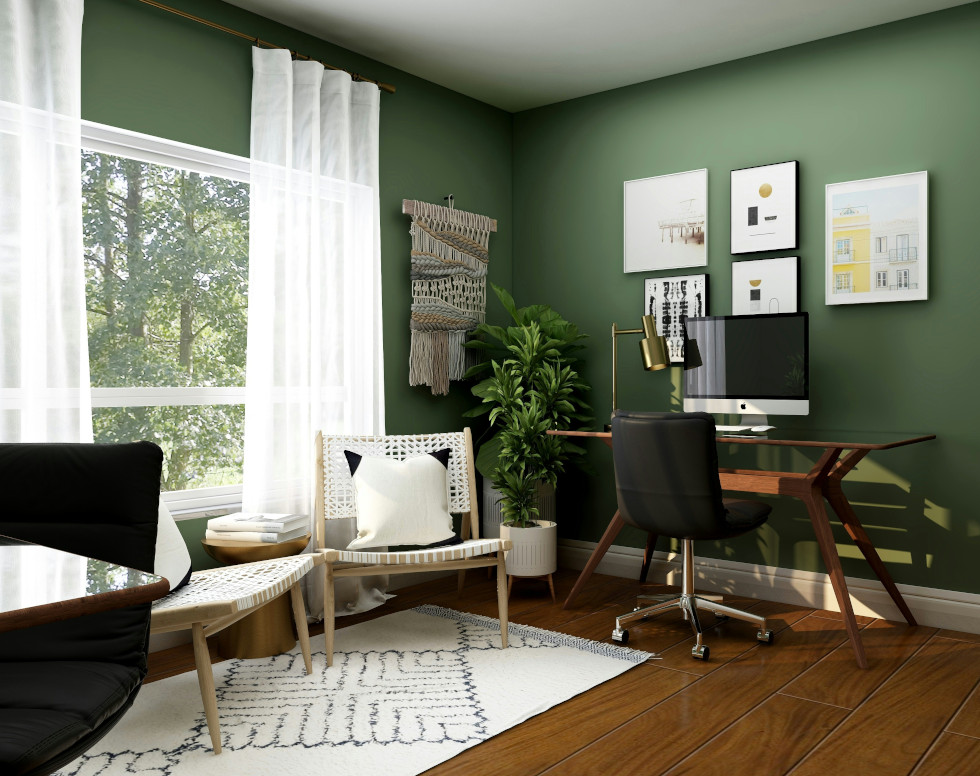
One of the hot new office movements are standing desks. These are adjustable desks that allow you to alternate between sitting and standing, perfect for breaking up your day and giving your body a bit of variety.
Don’t forget about monitor height either. Having an adjustable monitor helps prevent neck and shoulder strain. On that note, when you’re working, remember to take frequent breaks to stand, stretch, and move around every 30-60 minutes to avoid stiffness. Practice good sitting habits by keeping your feet flat, shoulders relaxed, and head over your shoulders, and alternate between sitting and standing throughout the day.
With your desk and chair sorted, let’s talk location. You’ll want to find a dedicated, quiet, distraction-free space away from household items. Even better if the spot has a natural light source, as that can help reduce eye strain and improve mood. A desk near a window is ideal, in a spare room if you have one, or whichever room best fits the above criteria.
Keep your workspace tidy. Cables, notebooks, stationery, everything should have its place and be easy to access.
And finally, make it yours. Add a personal touch with things that make you feel good. Whether it’s a framed photo of Gerard Butler, a Godzilla Funko Pop, or, if you’re normal, a few plants.
Have fun with it, and go get that bread.


Stay up to date with everything happening at the Hobart Magazine.