
13 Ways to Get Your Summer Thrills in Tasmania
Make the most of the longer days this summer with adrenaline-fueled adventures and nature-rich experiences, right on your doorstep.

NEW NEW NEW
Hobart chef Luke Burgess, who lit the Hobart scene on fire with Garagistes, has opened a new restaurant, Scholé (227 Liverpool Street, Hobart). This exclusive venue sits just ten people on a single table and has a small, evolving menu. Every Tuesday night, the restaurant becomes a Japanese Tachinomi-style standing bar, no reservations needed. This could be the next hottest seat in town. Another hot seat has opened in the ex-Dana Eating House space. Lost in Asia (131-133 Murray Street, Hobart) is from the Bar Wa team, and is casual dining and a bar packed with flavour and fun. Burger N Beyond (135 Bathurst Street, Hobart) is the latest burger joint to hit the city. A casual dining spot for burgers, loaded fries, and crispy chicken complete with pool tables and a kid’s play area. Coming soon is Hom-Mali Hobart (85a Harrington Street, Hobart), which proudly describes itself as the space where Bangkok meets Hobart. Penny’s Bakery Glenorchy (387-393 Main Road, Glenorchy) is coming soon to Northgate Shopping Centre, between Coles and KFC. A traditional bakery franchise with baked treats, toasted sandwiches and coffee. Food truck The Fish Finger (Menin Drive, Brighton) opened in Brighton recently, serving fresh-cooked fish and chips. Check out their Facebook page to find out where they’re headed.

From a Salamanca Market stall to a dream space in the heart of Hobart, Francesca Jewellery Hobart (Cat & Fiddle Arcade, Shop 6A/51 Murray Street, Hobart) has reopened after a major reno. Featuring gorgeous jewellery pieces in gold, rose gold and silver, the store also has close ties to Australian charities, having donated around $1.1 million to various causes over the years. In a great get for anyone craving some Takis (or a bottle of water) during an evening in town, there’s a brand new Salamanca Convenience Store (6 Salamanca Square, Battery Point). Park Art Co-op (2 Payeena Street, Dodges Ferry) is a new creative hub behind Park Beach Cafe, featuring handmade goods from local artisans. Find unique items like mosaics, children’s clothing, art, jewellery, candles, dog biscuits, woodcraft, cakes and more.
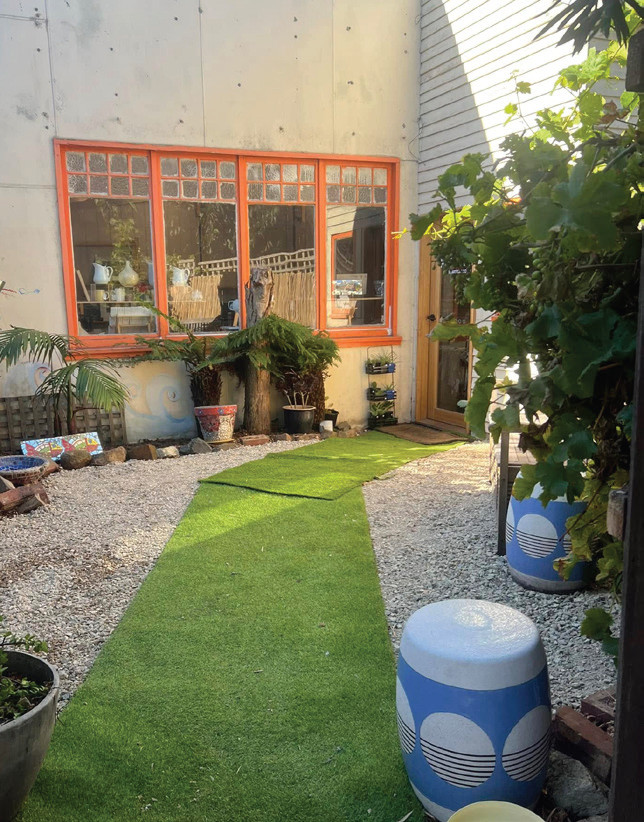
PLASTIC POLLUTION IN AUSTRALIA FALLS 39%, BUT HOBART RISES Plastic pollution along Australian coastlines has decreased by 39% over the last decade, though Hobart saw an increase, according to research by CSIRO. Researchers surveyed inland, riverine, and coastal habitats across six metropolitan regions across Australia including Hobart, Newcastle, Perth, Port Augusta, Sunshine Coast, and Alice Springs. While decreases were observed in most of those places, which is fantastic news, Hobart and Port Augusta saw increases.
Hobart was also found to have the highest occurrence of fragment and whole beverage bottles compared to all other cities. At the time of the study Hobart did not have a container deposit scheme. The study links Hobart’s poor results with local recycling policies, saying it provides additional evidence that effective policies, such as container deposit legislation, can help to reduce plastic in the environment. Good news, then, that Hobart’s first container refund machine launched on 1 May in Bridgewater.

A total of 8383 debris items were recorded across 1907 surveys within a 100 kilometre radius of each city. Dr Denise Hardesty, Senior Research Scientist from CSIRO, said, “Although there are still areas for concern, it’s exciting to see a significant decrease in plastic pollution as people around the country are becoming more aware of the harmful effects of plastic waste on people, communities and wildlife.” The paper, Drivers of environmental debris in metropolitan areas: a continental scale assessment, compares data from surveys conducted a decade ago and builds upon previous work that showed a 29% reduction in plastic waste across all of Australia.
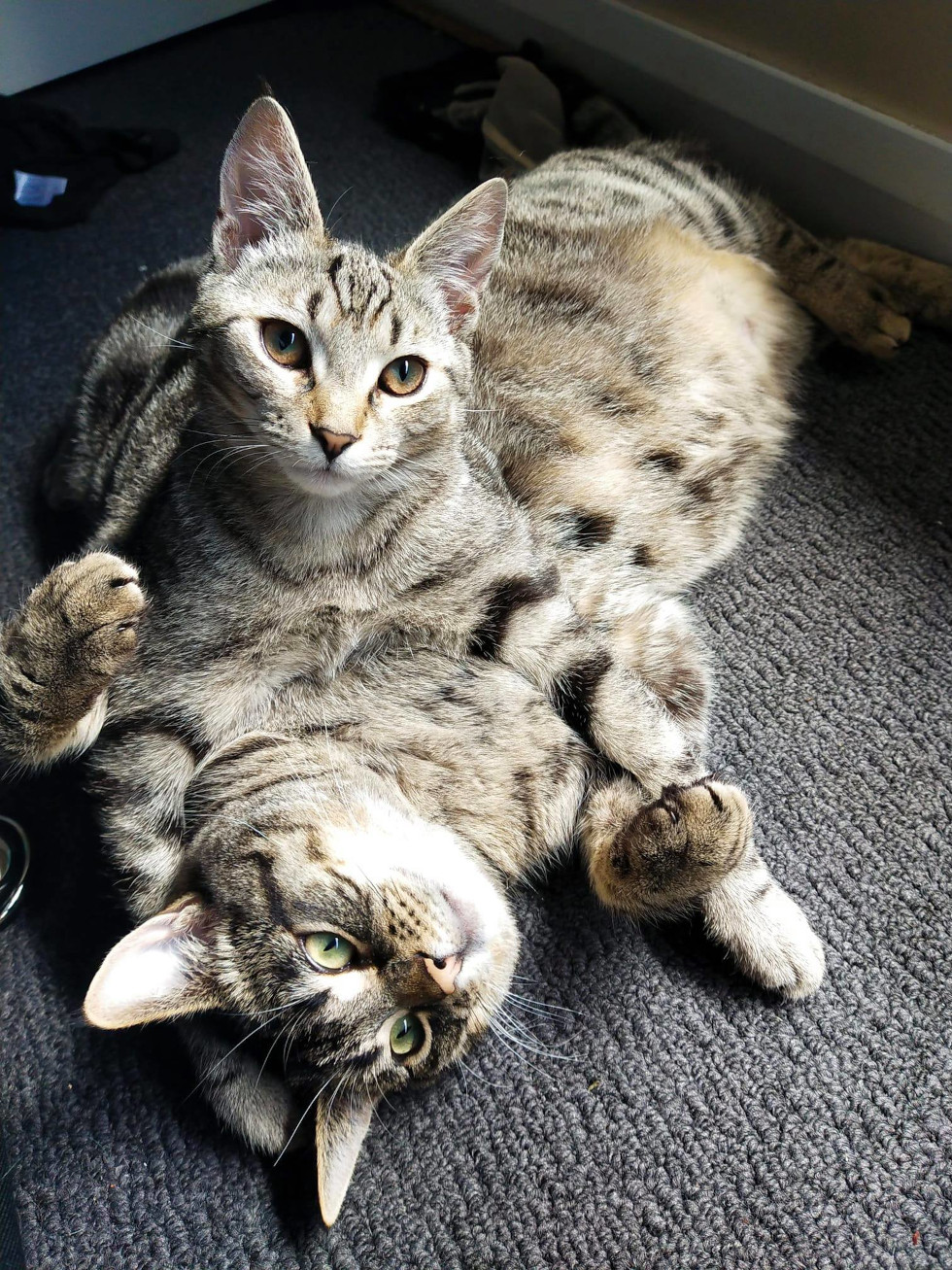
ONE PAW CLOSER TO PETS IN TASSIE RENTALS The rental market in Tasmania is tough and pets can add to renting woes. The Residential Tenancy Amendment Bill 2024, which will ease rental rules surrounding pets and bring us in line with other states in Australia, has passed the House of Assembly. According to the RSPCA’s Tasmanian Housing Strategy report, 66% of Tasmanians own a pet, yet only one in eight landlords allow them. The report also says many pet owners feel compelled to lie about their pets just to apply for rentals. The combination of low vacancy rates and rapidly increasing rents is forcing many low-income earners with pets out of the market. As a result, more people are being faced with a difficult decision: keep their best friend or find somewhere to live. The report further argues that Tasmania’s rental laws regarding pets are outdated in light of research showing that pets contribute positively to mental health and even the development of children. As for solutions, the RSPCA suggests that rather than excluding pet owners, landlords’ concerns should be addressed through lease conditions. This could include requirements such as a mandatory cleaning schedule or additional damage bonds.

SHELL YEAH! NEW SCALLOP RULES A FEAST With the start of the scallop recreational fishing season in April, Tasmania has introduced new regulations allowing scallop catch sharing. This reform is part of several amendments to the Tasmanian Scallop Management Plan, aimed at ensuring the benefits of scallop fishing are more widely accessible to Tasmanians. Under the new rules, licensed scallop fishers who have dived will be able to share their catch with one another, as well as with up to one licence holder who remained on the boat and did not dive. Also, a boat limit of 250 scallops has been introduced, which is the maximum number of scallops a boat can possess in a single day. The recreational fishing season for scallops closes on 31 July.
KEEPING TASMANIANS OUT OF HOSPITALS Salveo Healthcare, a private not-for-profit organisation which aims to keep Tasmanians out of hospital, has launched a new headquarters in Launceston’s St.Lukes Health building. This new space will enable them to support more Tasmanians through health programs that empower people to take control of their health. By providing hospital-like services directly to homes, Salveo helps alleviate the strain on hospitals. In other Salveo news, their new Falls Prevention Program has secured funding from the state government. Designed to reduce hospitalisations due to falls among older Tasmanians in the north west, the program focuses on movement, strength, and social connection. It will be delivered by Healthy Business, a team known for their expertise in community- based exercise initiatives. People can access Salveo Healthcare through their website www.salveohealth.com.au or by calling 1300 313 375.

ROAD SAFETY MEETS FUN AT LAUNCESTON’S BIKE CENTRE After multiple years of redevelopment, the Road Safety Centre, or ‘Bike Centre’ as it’s known, has reopened in Launceston. This transport-themed children’s play centre is a popular spot for birthday parties, family gatherings, and community events, offering a fun and educational way to teach road safety. Kids can ride bikes, scooters, skateboards, or rollerblades on a model road system complete with traffic lights, stop signs, pedestrian crossings, and more. Located at 45-67 Lawrence Vale Road, inside a historic water reservoir, the centre has been a local favourite since it first opened in 1980. After a closure in 2019 due to structural issues, the centre is back, welcoming families once again. Bookings are available online via the City of Launceston’s website, with two daily sessions offered at $35 per session. The fully-fenced area includes picnic spots, barbecues, toilets, and parking.
LITERARY LEGENDS TO STREAM IN A LIBRARY NEAR YOU From 22–25 May, some of the world’s biggest literary names will be livestreamed for free to Hobart’s State Library and Archives of Tasmania, as well as other libraries across the state. As part of the Sydney Writers’ Festival 2025, the Live & Local program will bring over 20 headline sessions directly to Tasmanians. Featured authors include Jeff Kinney (Diary of a Wimpy Kid), 2024 Booker Prize winner Samantha Harvey, crime writer Ian Rankin, and celebrated storytellers like Helen Garner, Colm Tóibín, and the Moriarty sisters. To see the full program and find out which libraries are taking part, visit www.swf.org.au/program/live-local.
ONE IN FOUR WAND SEARCHES FINDS WEAPONS The police trial of non-invasive searches using hand-held metal detection wands has officially concluded. During the fourmonth trial period, officers conducted 213 searches across the state, leading to the seizure of 54 weapons, 42 of which were knives. This means that about one in four searches uncovered a weapon. The use of the hand-held wands is part of Reid’s Law, which, if passed, would grant police greater search powers.
HIGH LEVELS OF KIDS’ ASTHMA IN TASMANIA There are high levels of asthma clusters among children in Tasmania. A study from the University of New South Wales has identified that areas in the south east, north east, west and north west of Tasmania all have kids’ asthma clusters. A cluster is a group of neighbouring areas where the proportion of children up to 14 years of age with asthma, called childhood asthma prevalence, is higher than the national average of 6.3%. In the south east, the clusters are Triabunna – Bicheno (10.93%), Derwent Valley (9.19%), Southern Midlands (8.51%) and Forestier – Tasman (8.30%). In the north east, the clusters are Waverley – St Leonards (11.8%); Ravenswood (11.6%); George Town (10.5%) and Newnham – Mayfield (10.1%). In the west and north west, the clusters are Acton – Upper Burnie (13.76%); East Devonport (12.80%); Wynyard (11.65%) and West Ulverstone (11.21%). In the wake of these findings, Asthma Australia is urging all political parties to prioritise the health of children in these areas by supporting the Healthy Futures for Kids with Asthma program, which aims to reduce hospital admissions for children with asthma and improve their quality of life. Managing a child’s asthma can be a huge financial strain on families, with the cost of doctor visits, medicines, and time off work adding up. Asthma is the costliest respiratory disease for primary healthcare with costs rising 42% from 2018-19 to 2022-23, while the overall cost of treating and managing asthma increased by 50% from $799 million to $1.2 billion.
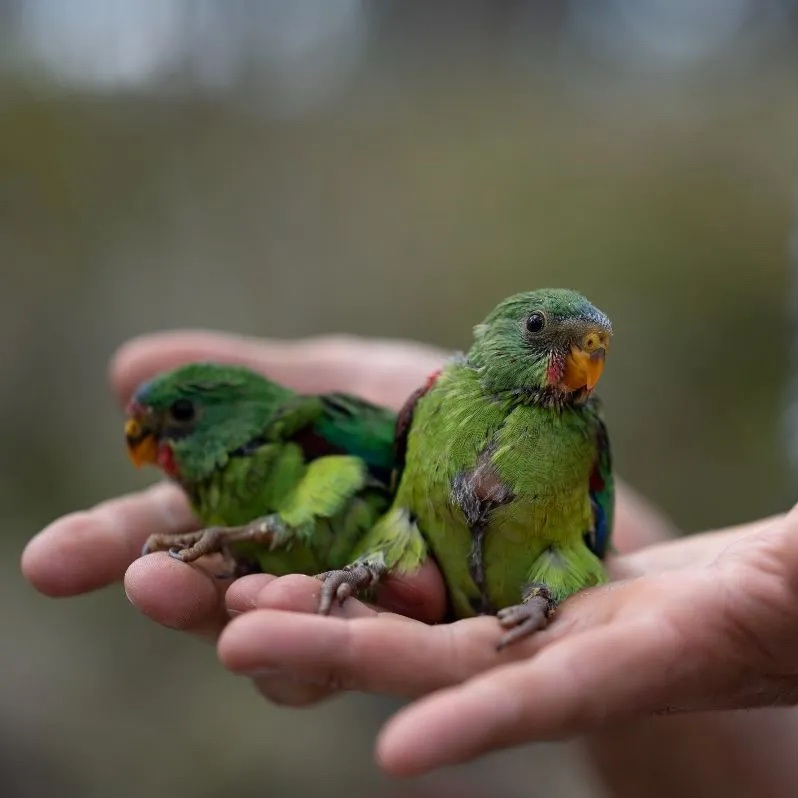
LOGGING THREATENS SWIFT PARROTS. ABOUT 500 LEFT, ACCORDING TO STUDY A recent study from the Australian National University (ANU) reveals that the population of swift parrots in the wild is likely only a few hundred and is declining rapidly. Co-author of the study, Dr Dejan Stojanovic, said having a clear idea of population size is critical. “The swift parrot is critically endangered – our conservation strategies depend on knowing how many birds are still alive in the wild,” he said. “We need this information in order to work out how much time we have left to save them from extinction.” In this new study, scientists collected one of the largest genetic data sets for any threatened bird in Australia. Co-author Dr George Olah said, “We can now say with confidence the current remaining population size is only about 500 parrots.” Swift parrots breed in Tasmania, but also migrate to mainland Australia each year looking for food. This nomadic lifestyle makes them hard to count, which is why the researchers have turned to genetic techniques to estimate how many swift parrots are left. “Swift parrots are declining in large part due to logging of their Tasmanian breeding habitat,” Dr Stojanovic said. “Our results add to a mountain of evidence that swift parrots will go extinct unless we urgently change how we manage Tasmanian forests.”
FOGO FOR STANLEY AND SMITHTON Stanley and Smithton residents will soon have a new way to reduce their environmental footprint with the introduction of the FOGO (Food Organics and Garden Organics) bin service, from September 2025. Residents will receive the green bin in August before commencing in September.
ELECTRIFY YOUR COMMUTE Hobart residents have the opportunity to try an electric bike for free with the launch of a new e-bike library. The program allows locals to borrow an e-bike for up to two weeks, giving a chance to see how it fits into their daily routine. Since e-bikes can be quite expensive, this initiative provides a great way to test one out before making a purchase. Six different types of e-bikes will be available to suit various needs. The e-bike library is managed by Hobart Bike Hire, a bike shop on the Hobart waterfront. To participate, you must be 18 or older and a Tasmanian resident, with access to a safe and secure place to store the e-bike when not in use. Participation is free, and you can register your interest on the City of Hobart website.
NEW MENTAL HEALTH CENTRE COMING TO DEVONPORT A home has been secured for Devonport’s Medicare Mental Health Centre, a step forward in expanding free mental health support for residents. A lease has been signed for the premises at 11-17 Stewart Street, Devonport and the centre is set to open in July this year. “Now the lease has been signed, we can proceed with the building and fit-out works needed to make the site suitable for its new purpose,” said Primary Health Tasmania general manager Alison O’Neill. Medicare Mental Health Centres provide a welcoming entry point for individuals in crisis or distress, offering immediate, free support with no appointments or Medicare card required. While the Devonport centre is under construction, people can access telehealth services by calling 1800 595 212 (Monday to Friday, 8:30am-5pm), available to those in Devonport, Burnie, and outer Hobart areas.
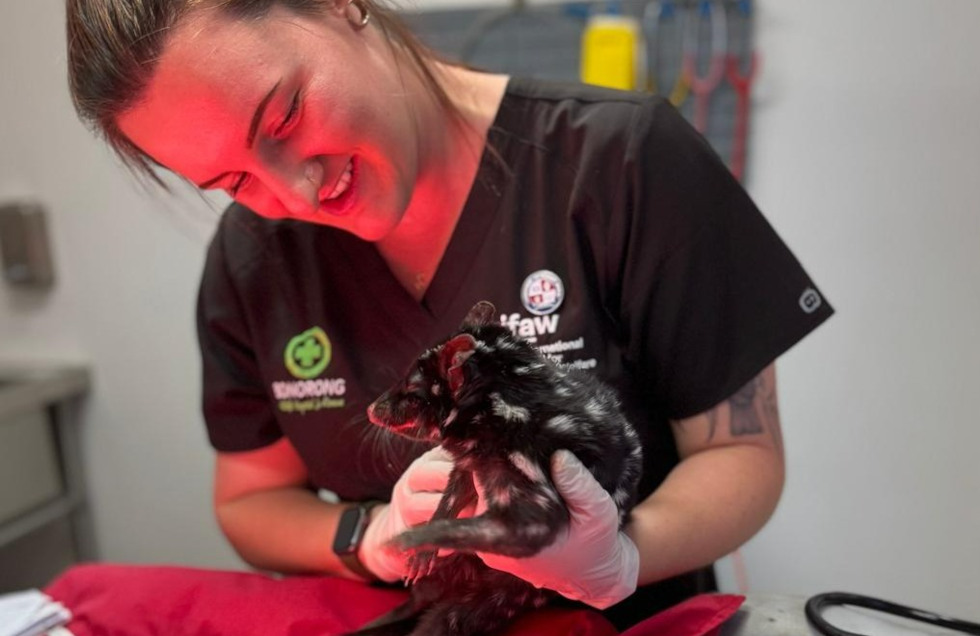
BONORONG’S NEW ERA Big things are happening at Bonorong Wildlife Sanctuary. Their teams have officially moved into the new Project RECAP building, which is a purpose-built rehabilitation facility that came from a crowdfunding campaign a few years ago. 2024 was a record-breaking year for Bonorong with more than 18,500 calls for injured or orphaned wildlife. This new facility will help them meet demand. Bonorong expressed thanks to its supporters. “It’s been a huge (but absolutely essential) undertaking, and it simply wouldn’t have been possible without the incredible support of our community. Your generosity helped bring this vision to life,” they said. “The benefits of the improved facilities and equipment are already being felt by both our teams and the wildlife they care for.” That’s not all that Bonorong has been up to, as they wrapped up Wild Rise in early April. This was the second year of the annual fundraising event, which saw the community getting involved in a variety of riding challenges (whether it be bike, skateboard, kayak, or pogo stick) in March. The event raised $41,000, which supports the continued operation of Bonorong’s wildlife rescue service, hospital, and rehabilitation facilities.
SCIENTISTS TRACK POPULAR GAMEFISH USING ACOUSTIC TECHNOLOGY For the first time, scientists have successfully tagged Kingfish with acoustic transmitters to study the movements of this popular game fish species, which is increasingly found in Tasmanian waters. Researchers from the University of Tasmania’s Institute for Marine and Antarctic Studies (IMAS) have fitted Yellowtail Kingfish with transmitters that will send signals to receivers installed on Fish Aggregation Devices (FADs). Kingfish are prized by recreational fishers across mainland Australia for their good fight and eating qualities. Tasmania is known as an ocean-warming hotspot, particularly along the east coast, and so has seen an increase in the presence of several fish species including Kingfish. FADs are yellow buoys deployed at 13 locations across the state, from Burnie in the northwest to Storm Bay in the south. These devices attract a variety of fish species, including Kingfish. “Because we’re seeing increasing numbers of Kingfish in Tasmania, we’d like to know more about them, including how they are interacting with FADs,” IMAS researcher, Dr Sarah Ugalde said. “The best way to do this is to carefully implant a small acoustic transmitter into the fish which will tell us when they are near a FAD.” The transmitters emit ultrasonic signals, or ‘pings’, every one to two minutes. When a signal is detected within about 400 metres of an acoustic receiver, the receiver logs the presence of the tagged fish. All FADs in Tasmania are equipped with these receivers, allowing researchers to monitor how long Kingfish spend near individual FADs and track potential movements between FADs along the coast. “This information could tell us more about where Kingfish are going in Tasmanian waters, but also if and when they are returning to mainland waters,” Dr Ugalde said.
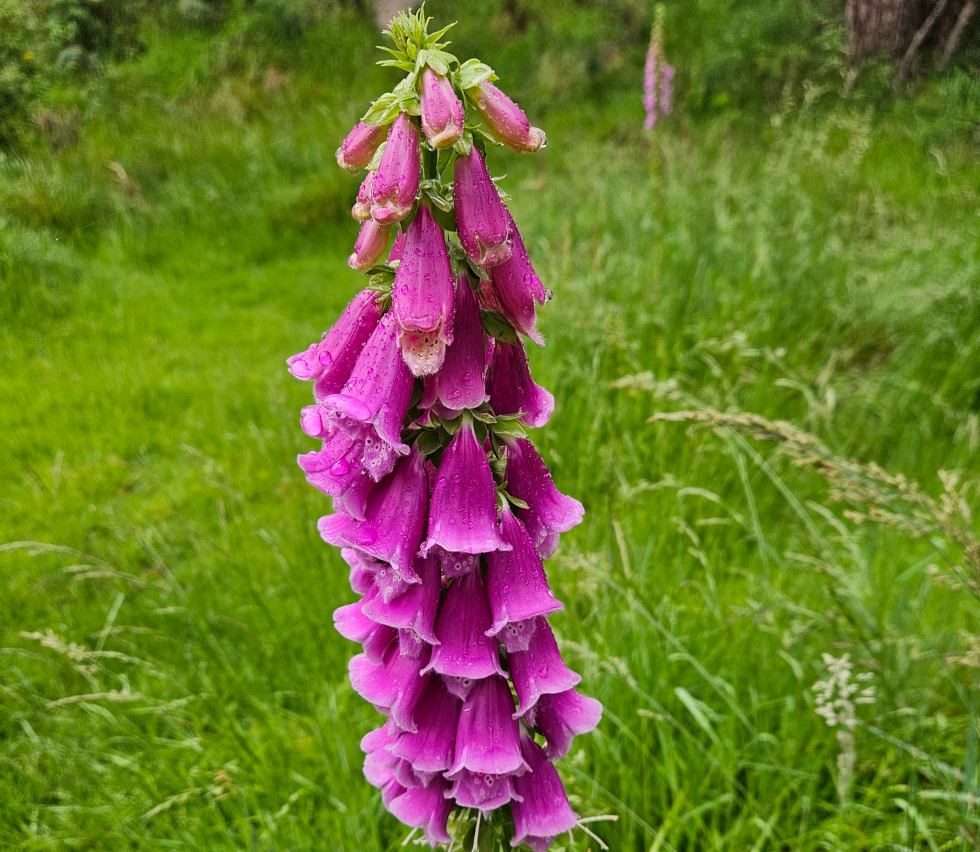
GLOVES ON FOR FOXGLOVES The highly invasive common foxglove has been declared a pest by the Tasmanian government. While foxgloves are pretty and impressive as part of an English cottage garden, they have now spread out of control through vacant blocks and many bush areas. All parts of the plant can also be toxic to humans and animals. The common foxglove (Digitalis purpurea) has now officially been declared a pest under the Tasmanian Biosecurity Act. Minister for Primary Industries and Water, Jane Howlett, said the importation, sale and trade of all reproductive foxglove species, hybrids and cultivars will be prohibited. The declaration does not include sterile varieties. “The management of foxglove will be targeted to designated areas, including areas within and around the Tasmanian Wilderness World Heritage Area and other reserves,” Minister Howlett said. “Existing foxglove plantings in garden settings outside of designated areas are not affected by this declaration. Eradication of foxglove from all parts of the state is not feasible.”
THE MAUGEAN MISSION The Institute of Marine and Antarctic Studies (IMAS) has launched the Maugean Skate Conservation Action Program, a 12-month program which uses acoustic technology by attaching tiny tracking devices to Maugean skates. These devices emit signals that can be picked up by dedicated receivers placed throughout Macquarie Harbour, allowing researchers to monitor the skates’ movements. The goal is to gather insights that will help inform more effective conservation strategies. The program will be completed by 30 April 2026.
CHECK IF YOUR PUBLIC HOSPITAL IS EXPERIENCING LOG JAM The Australian Medical Association (AMA) has launched a hospital logjam finder that tracks how your local hospital is performing. The searchable tool has expanded to cover 352 hospitals across Australia. It uses a traffic light system (green, orange, red) to indicate the percentage of patients that received care within the clinically recommended time. AMA is using the tool to highlight the grim state of Australia’s public hospital performance, revealing no metropolitan hospitals received a green light for all categories measured by the AMA. Check it out at www.ama.com.au/clear-the-hospital-logjam.
$1.5 MILLION OF TOBACCO AND VAPING PRODUCTS SEIZED Illicit tobacco and vaping products with an estimated retail value of about $1.5 million were seized during a recent joint operation by the Department of Health. This follows the Tasmanian government’s Public Health Amendment (Vaping) Bill (2024) which recently received in-principal agreement in the Tasmania Parliament, aimed at protecting the community from the harms of smoking and vaping. The seizure included more than 23,000 packets of cigarettes, close to 5000 vapes and 112 kilograms of loose tobacco. All illicit products seized are destroyed.
LGBTIQA+ INCLUSION SURVEY IN GLENORCHY THIS MONTH Until the end of May, anyone with a connection to the Glenrochy community can respond to the Glenorchy City Council LQBTIQA+ Inclusion Survey. The survey is anonymous and those who complete it will go into a draw to win one of two $100 vouchers from Northgate Shopping Centre. Results will guide work to make Glenorchy a more inclusive place. Questions will be asked of who you are, your life experience, your experiences in Glenorchy, your ideas for the future of Glenorchy and your experiences with Glenorchy City Council. The survey can be accessed at www.letstalk.gcc.tas.gov.au.
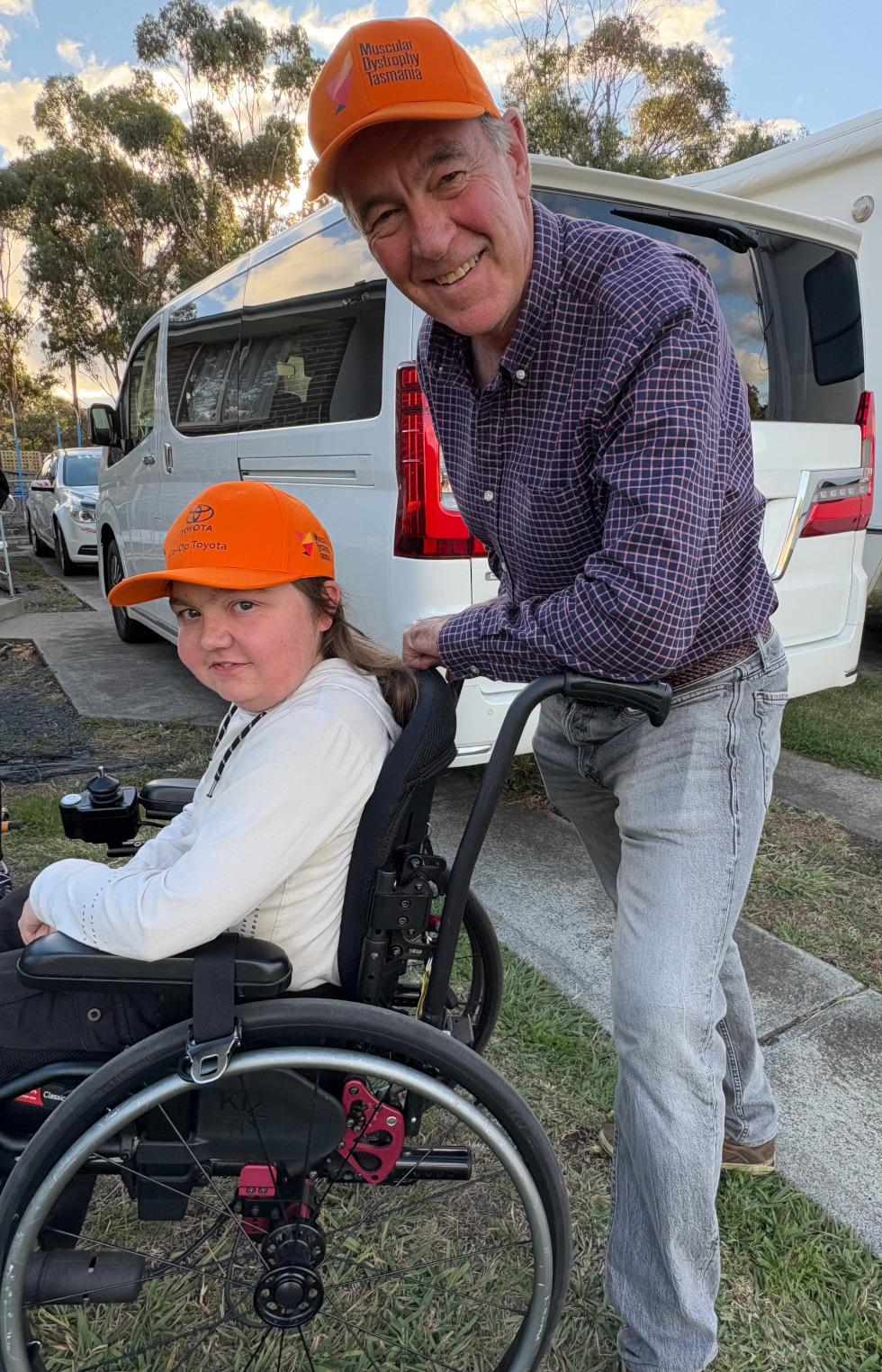
PETER GEE GOES ORANGE FOR MUSCULAR DYSTROPHY Go Orange for MD week is held from 1-8 June and highlights the daily issues faced by people living with Muscular Dystrophy, and how important the safety net that Muscular Dystrophy Tasmania (MDT) provides to Tasmanians right across the state. Patron of MDT Tasmania, Peter Gee, puts his full force behind the cause, saying, “I’m fortunate that my body allows me to do just about anything I want to, but that’s not the case for the one thousand Tasmanians living with Muscular Dystrophy.” Peter said, “I’ve seen the benefits a little help can give for youngsters like Declyn and his family as they took possession of a wheelchair accessible vehicle that my friend Adrian Smith and I helped to fundraise for.” Declyn can now travel more freely with his family, “It’s changed my life”, said Declyn. To set up your own fundraising event, wear a splash of orange and have a bit of fun, head to www.go-orange.com.au. There’s also a cocktail party and auction at the Madeline Gordon Gallery in Launceston on 4 June you can attend or bid for a donated artwork from renowned Tasmanian artists Michael Weitnauer and Helene Weeding. Donations go directly to people with MD to access the support and therapy they need to maintain their muscle strength, flexibility and wellbeing.
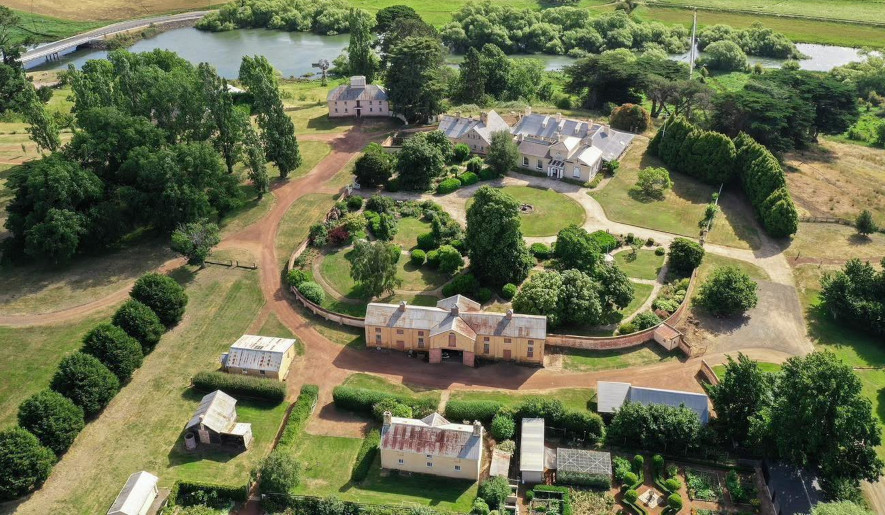
WOOLMERS ESTATE SEEKS GOVERNMENT SUPPORT FOR VITAL REPAIRS Woolmers Estate, a UNESCO World Heritage site located in Longford and founded in 1817, is seeking government support for repairs and ongoing maintenance. Mr. John Campbell-Smith, Chairman of the Board, is urging both Federal and State governments to uphold their UNESCO obligations and provide proper support for this significant convict heritage site. While UNESCO doesn’t specifically require governments to fund repairs, its listing does create an expectation that governments will help maintain these valuable sites. In a recent Facebook post, Woolmers emphasised the importance of the initiative, saying, “This initiative is crucial for preserving the historical significance of the site and ensuring that it remains accessible for future generations to appreciate and learn from its rich history.” 15 of Woolmers’ heritage-listed buildings are in need of repairs. Mr. Campbell-Smith said it’s impossible for Woolmers to handle the costs on its own. He also said that Woolmers is the only World Heritage-listed convict site in Australia that isn’t government-owned, instead being managed by a not-for-profit organisation. Added to the World Heritage Register in 2010 for its exceptional universal value, especially in relation to the story of convict assignment, Woolmers is considered one of the most intact examples of a 19th-century homestead in the country.
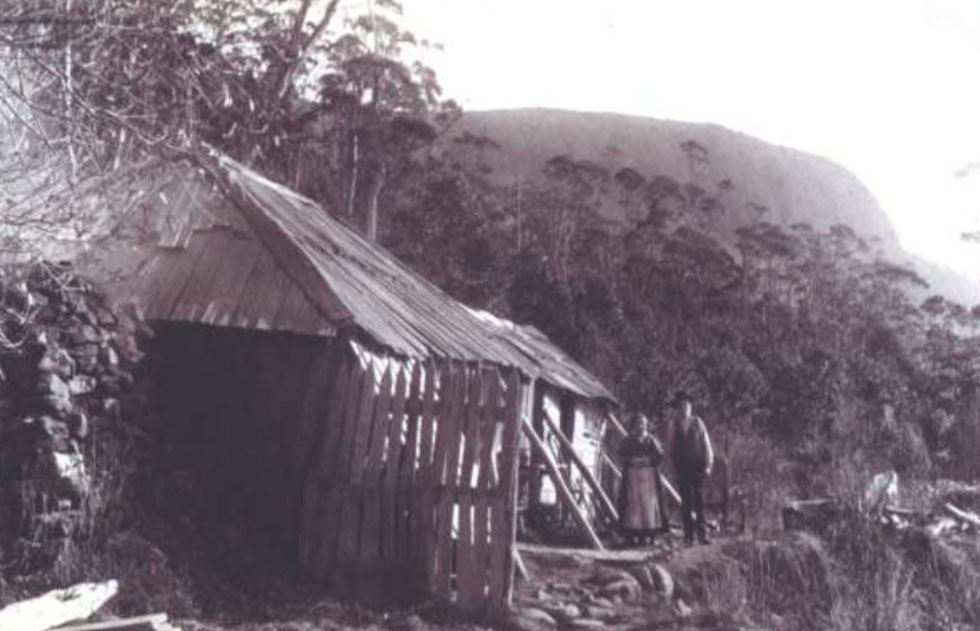
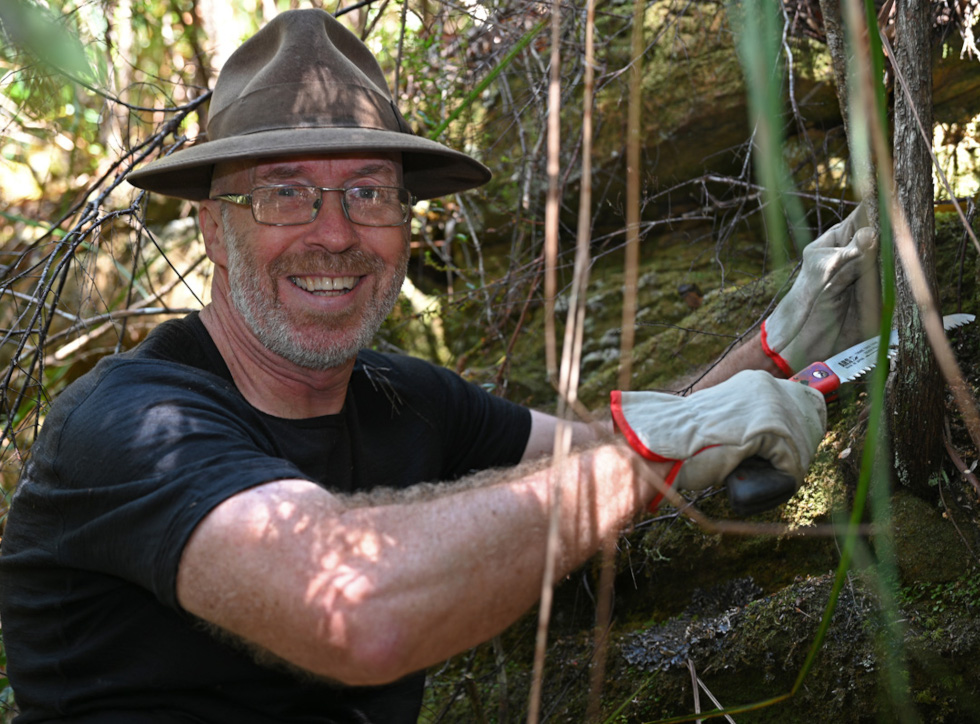
VOLUNTEERS PROTECT HISTORIC ICE HOUSE REMAINS ON KUNANYI A group of Bushcare volunteers recently ventured up the Ice House Track on Kunanyi/Mt Wellington to help preserve an important piece of Hobart’s history. In the 1840s, ice was a luxury item in Hobart, often imported at great expense. To solve this, ice houses were built on the mountain, where the cold climate and occasional snow made it an ideal location for storing ice. Over the years, four ice houses were constructed, supplying the city’s wealthiest residents with ice for ice creams and drinks. However, by the 1890s, the ice houses fell into disuse, and nature slowly reclaiming the stone structures. The remains of these ice houses were rediscovered after the 1967 bushfires. Today, the houses are threatened by encroaching vegetation, and that’s why Bushcare volunteers recently removed saplings growing into the walls, ensuring the integrity of the ice houses remains intact. Visitors can view these historic ruins from the track.

DIRECT HOBART-AUCKLAND FLIGHTS TAKE A SEASONAL BREAK Air New Zealand has wrapped up its direct flights to Tasmania for the season and will pause operations until the Hobart to Auckland service resumes in October 2025. The direct international route between Hobart and Auckland returned in October last year, providing tourists coming from both places greater access to each other and the rest of the world. Over the past five months, more than 20,000 travellers have flown to Tasmania aboard Air New Zealand’s seasonal flights.
SALMON OFF THE MENU AT MURES, TASMANIAN CHEFS JOIN CAMPAIGN Major seafood business Mures has removed Tasmanian salmon from its menus, citing the current spotlight on the industry bringing pressure from customers. Director Will Mure said a “difficult decision” was made to pull it from menus recently. “We have a reputation at stake for our sustainability stance and we would like to stay strong to that,” Mr Mure said. Tasmanian salmon will remain on sale at Mures fishmongers and retail outlets. A hotspot for tourists and locals alike, Mures’ Hobart waterfront site is made up of four restaurants. A couple of weeks after this announcement, Off the Table Australia was launched, calling on chefs, restaurants and other hospitality businesses to take farmed Atlantic salmon off their menus. So far, Matthew Evans (host of SBS shows Gourmet Farmer and What’s the Catch?, owner of Fat Pig Farm), Stephen Peak (head chef at New Norfolk’s The Agrarian Kitchen), and Analiese Gregory (host of SBS show Girl’s Guide to Hunting, Fishing and Wild Cooking) have joined the campaign. A global coalition campaign founded in Scotland, Off the Table Australia has partner organisations in the UK, Canada and Iceland.
39% OF TASMANIA’S HOMELESS POPULATION IS UNDER 25 The Youth Network of Tasmania (YNOT) is calling on governments to take urgent action on youth homelessness. According to the Australian Bureau of Statistics, 39% of the homeless population in Tasmania is under the age of 25. As the peak body for young people aged 12-25 in Tasmania, YNOT recently joined forces with key advocacy groups, including TasCOSS, on National Youth Homelessness Matters Day (16 April) to urge governments at all levels to address this pressing issue. This also comes after Melbourne City Mission released a report finding that over half of young people accessing homelessness services reported self-harm, suicidal ideation, or an attempt to take their own life. YNOT says that youth homelessness services are currently stretched to breaking point, with many organisations struggling to keep up with growing demand. The increasing complexity of challenges faced by young people, along with a lack of resources and support for both workers and those seeking help, is only making it worse. Without a safe place to call home, young people are at heightened risk of harm, abuse, and exploitation. If you or someone you know needs help, please call Lifeline 24/7 on 13 11 14.
RAPID HEALTH RESPONSE SERVICE LAUNCHED A new initiative aimed at improving healthcare access in Tasmania’s rural and regional communities has been launched with the introduction of the GP NOW Rapid Response Service. It is made up of a team of GPs who can be deployed to support rural and regional communities around Tasmania when and where needed. The service was created to help out when private offices face problems, like sudden closures, by providing immediate support. It ensures that people can still see a doctor while longer-term solutions are worked on. GP NOW also supports the training and supervision of GP registrars and junior doctors. The service offers both virtual care and short-term consultations and supervision at local clinics or hospitals. It is one of three services that the Department of Health’s Care@home initiative provides.

BIG HELP FOR SMALL SNAIL A small snail named after Sir David Attenborough which is found only in rainforests in Tasmania’s south west will benefit from a $50,000 conservation project. Also known as the Burgundy snail, the Attenborougharion rubicundus is a semi-slug. That is, a snail with a shell so small that it cannot retract into it. Poor little fella. The range of the snail is extremely small and was affected by recent bushfires. The project involves a survey on the status, distribution and threats to the snail, and the development of strategies to ensure its survival.
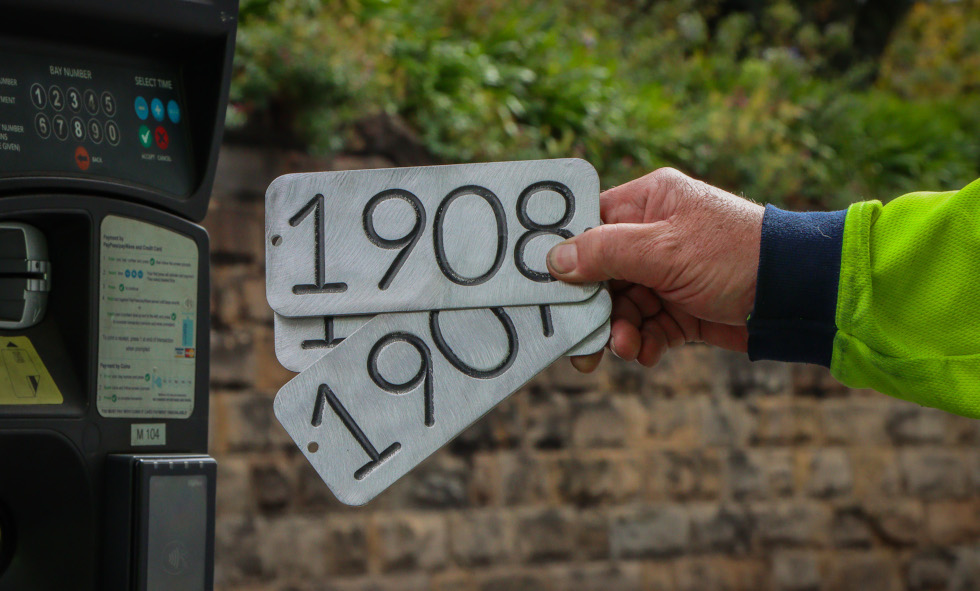
NO MORE SQUINTING Have you ever parked in Hobart and struggled to read your bay number? Well, that’ll soon be a thing of the past. Faded parking bay numbers are being replaced with durable metal plates featuring clear, easy-to-read details. The old numbers were either installed on thermoplastic plates or painted on the kerb, both of which don’t hold up over time. The new metal plates, made from marine-grade aluminium, are built to withstand Hobart’s weather, resisting fading, cracking, and peeling. Over 400 plates have already been installed along Davey, Macquarie, Collins, and Liverpool streets, with around 2,000 more set to be added throughout the year.

RECORD-BREAKING TOURIST NUMBERS IN TASMANIA More tourists came to Tasmania than ever before last summer, according to the Tasmanian Visitor Survey, with results showing the state welcomed 453,600 visitors over the three-month period, up 7% from last year. On a more financial note, Premier Jeremy Rockliff revealed that between December 2024 and February 2025, tourists brought in $1.37 billion into the Tasmanian economy, up more than $60m from summer last year. Seems people really did come down for air.


Stay up to date with everything happening at the Hobart Magazine.