
13 Ways to Get Your Summer Thrills in Tasmania
Make the most of the longer days this summer with adrenaline-fueled adventures and nature-rich experiences, right on your doorstep.
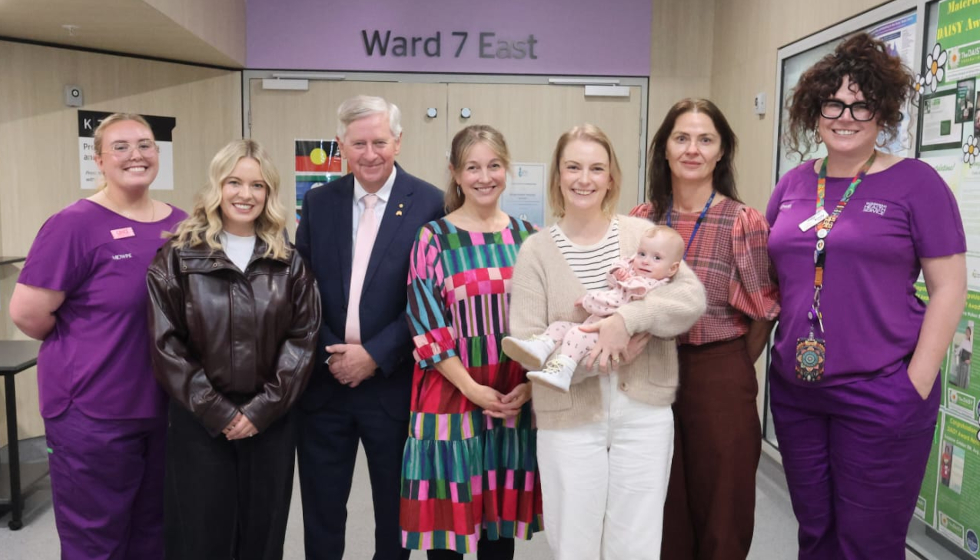
A decade ago, Tasmania faced a confronting reality. In 2015, the state recorded the highest rate of preterm birth in Australia, with more than 11 per cent of babies born before 37 weeks gestation. For many families, that meant an unexpected journey through neonatal intensive care units (NICU), long hospital stays and uncertainty during what should have been one of life’s happiest moments.
Today, Tasmania is emerging as a national success story. Through a coordinated statewide effort involving midwives, doctors, sonographers, and families, Tasmania’s preterm birth rate has fallen to 9 per cent, giving more families the chance to take healthy newborns home.
At the heart of that success is Tasmania’s participation in the Australian Preterm Birth Prevention Alliance and the Every Week Counts Collaborative. Across Hobart, Launceston and the North West, maternity teams have worked together to implement evidence-based strategies designed to help women remain pregnant for longer when it’s safe to do so.
“Every extra week in pregnancy matters,” says Royal Hobart Hospital Assistant Director of Midwifery, Becky French. “The reduction we’ve seen in Tasmania’s preterm birth rate demonstrates what can be achieved when clinicians across the state work towards a shared goal. These improvements translate directly into healthier babies, healthier mothers and better lifelong outcomes for families,” she said.

Midwives and clinicians across Tasmania have worked with external providers, such as GPs and sonographers to embed a series of evidence-based prevention measures that improve maternity care and reduce the likelihood or preterm births. These include ensuring pregnancies are not ended before 39 weeks without medical justification, routine cervical length screening, progesterone therapy for women at higher risk of preterm birth, smoking cessation support and improving continuity of care throughout pregnancy. This year, an eighth strategy was added, screening and prevention of preterm preeclampsia.
The impact of that work can be seen in the story of Hobart mum Helen Phelan and her daughter Clara. After an 18-month journey to conceive, Helen and her husband Dave were overjoyed to be expecting their first child. But at the 20-week anatomy scan, they received devastating news. Clara was diagnosed with severe intrauterine growth restriction and doctors warned that stillbirth was the most likely outcome.
Supported by specialists from TasWomen, the Royal Hobart Hospital’s Maternal-Fetal Medicine service and neonatal team, Helen and Dave navigated months of uncertainty, while every additional week of pregnancy became increasingly critical.
By 29 weeks gestation, Clara’s condition had deteriorated and the decision was made to induce delivery. Born on 2 April 2025, Clara weighed just 499.7 grams. “She seemed so small I couldn’t believe she could survive,” Helen recalls. Clara spent 103 days in the NICU and Special Care Nursery and despite being given only a slim chance of survival, she continued to defy expectations.
Today, at 16 months old, Clara is thriving. For Helen, access to information and specialist care made all the difference. “Having access to information, and a well-informed medical team about the risks and outcomes of preterm birth, made our journey possible, we will forever be grateful for the level of care we received,” she says.
National NICU Awareness Day was held 30 September and Clara’s story serves as a reminder of what Tasmania’s preterm birth prevention efforts are ultimately about. Behind every statistic is a family whose life changed when a baby arrived earlier than expected. And sometimes, as Clara’s journey shows, every extra week can make all the difference. For more information about Preterm birth visit www.health.tas.gov.au.


Stay up to date with everything happening at the Hobart Magazine.