
13 Ways to Get Your Summer Thrills in Tasmania
Make the most of the longer days this summer with adrenaline-fueled adventures and nature-rich experiences, right on your doorstep.
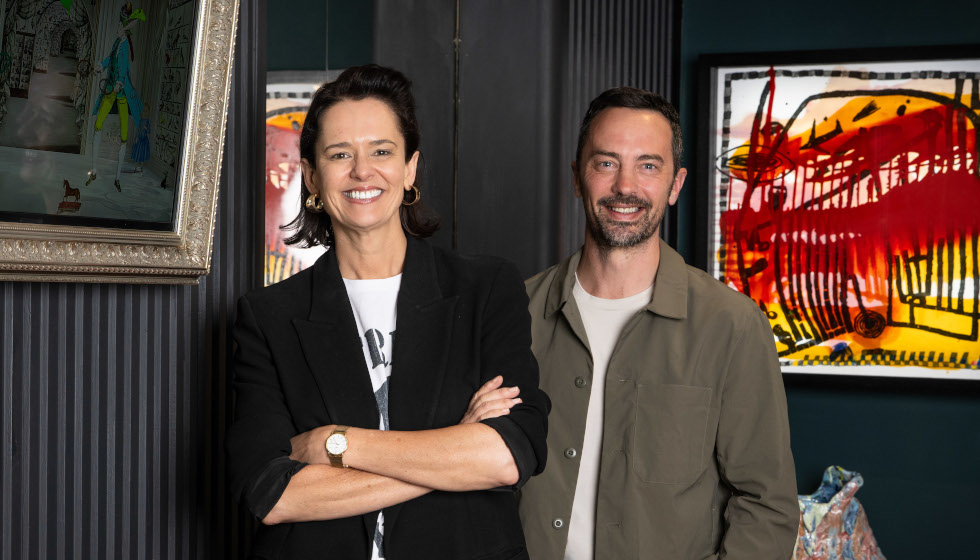
As Hobart’s Bett Gallery approaches its 40th anniversary, the family-run institution reflects on four decades of championing contemporary art in Tasmania, built on enduring relationships, bold vision and a deep commitment to community. Third general gallerists Emma and Jack Bett reflect on this achievement.
What does this milestone mean to you personally and to the Bett family as third-generation gallerists? Forty years feels remarkable. As third-generation gallerists, we’re proud to continue a family legacy – from our grandmother, Elva Bett, a pioneer of New Zealand’s commercial galleries in the 1960s, to our parents, Dick and Carol Bett, who founded Bett Gallery in Hobart in 1986. It’s also an opportunity to honour and acknowledge our mum, Carol, who has worked tirelessly for the gallery for 40 years, often behind the scenes. It’s really about the people – the artists and our wider community who have been part of this journey. These relationships are central to the gallery’s story and identity.
Can you take us back to the early days – what was Dick and Carol Bett’s original vision after moving from New Zealand? When Dick and Carol Bett returned to Hobart from New Zealand in the 1980s, the Hobart art scene was active but conservative. They wanted something different: a gallery dedicated to the very best contemporary art, with the aim of building a vibrant Tasmanian art market. Dick got his start managing Chameleon, Hobart’s first artist-run initiative, where he met now-legendary Tasmanian artists including Raymond Arnold, David Keeling, and Helen Wright – it was these artists who would form the early foundations of Bett Gallery. Forty years later, many of these artists are still with us. That kind of loyalty says a lot about the gallery’s approach: trust, consistency, and providing steadfast support to artists at every stage of their careers.
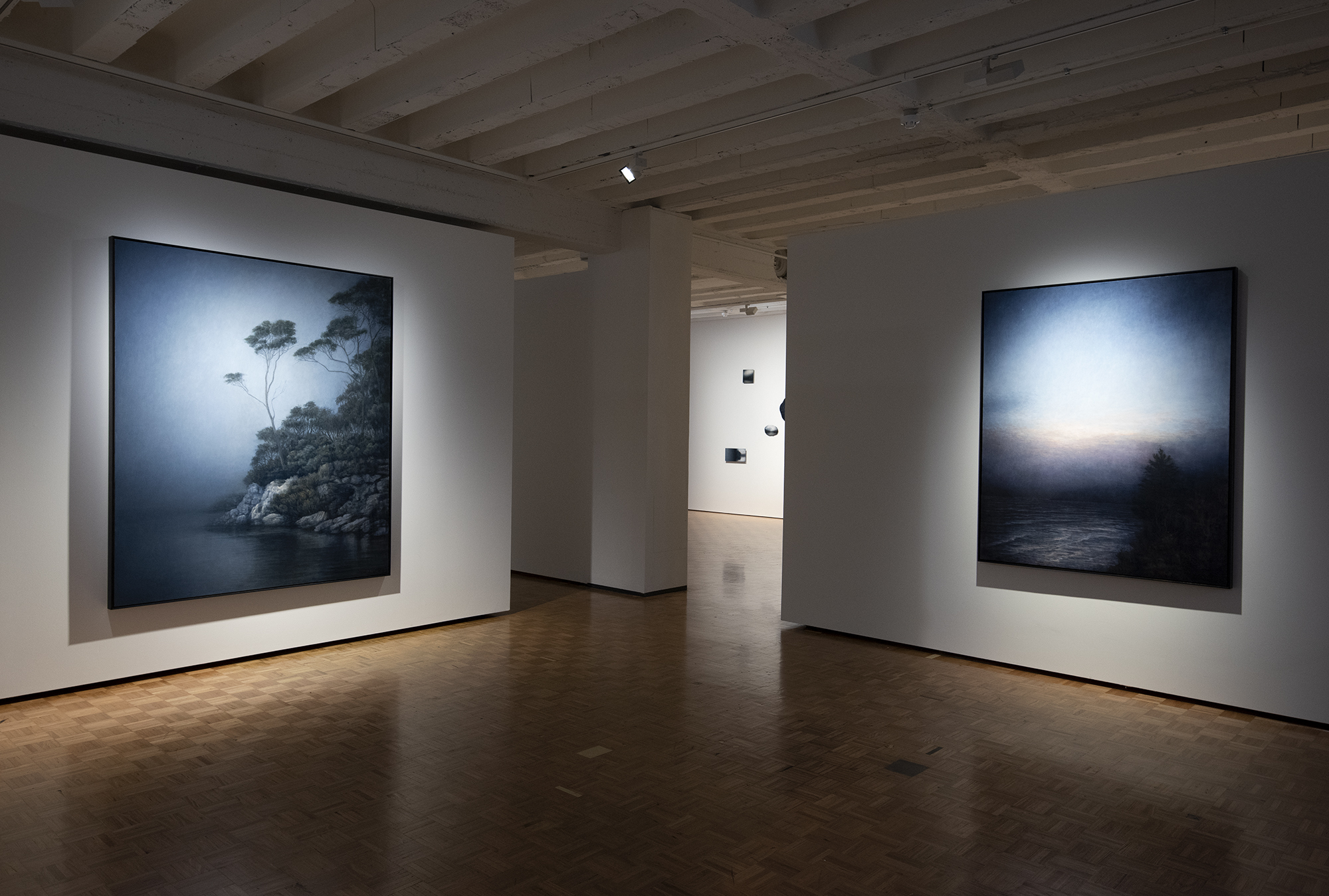
Bett Gallery has evolved across several locations and eras. How has the gallery’s identity changed, or remained constant? We’ve definitely moved around, but the gallery has a strong identity, which has remained constant despite the different locations. We began on the corner of Wooby’s Lane, Salamanca Place, then expanded to a larger space above the Salamanca Fruit Market. At the time, Salamanca was a vibrant hub for artists, but this changed, and in 2003 we moved to a classy shopfront on Elizabeth Street in North Hobart, in the historic Soundy’s building. People still talk about its iconic art-filled street-front windows. After Dick passed away in 2011, the gallery entered a new phase, and in 2018 we relocated to our current architecturally-designed CBD space – a larger, flexible space with movable walls and an Upper East Side feel. We love it here and we can present a much larger program, with the capacity to host two exhibitions at one time.
The gallery has championed more than 100 Tasmanian artists. What does it mean to you to have played a role in shaping these careers? It means a lot. Our stable holds many artists who have had both national and international success; recently, our international sales included purchases by the National Gallery of the USA and the Harvard University Collection. Our senior artists have been part of our lives since we were young, so we’ve experienced their journeys along the way. As we continue to support them, we focus on establishing our emerging and mid-career artists’ development which is both inspiring and rewarding.
What do the long-standing artist relationships reveal about the gallery’s philosophy and approach? Longevity matters to us. Working with artists over decades is what defines Bett Gallery. It’s not just about exhibitions; it’s about trust, support, and showing up year after year. Seeing artists’ careers evolve and being part of that journey is hugely fulfilling, and it really reflects our approach: relationships first, everything else follows.
Environmental and social consciousness have been part of Bett Gallery’s DNA. How does this align with your values? Right from the very beginning, community-focused exhibitions have been central to the Bett Gallery ethos. We see the gallery as a platform for sparking public dialogue and fostering meaningful engagement across a wide range of issues. Recent examples showcase this diversity: Watershed, marking the 50th anniversary of Lake Pedder, featured works by fifty leading Australian and international artists; The Footy Show celebrated the intersection of football and art; and Kanalaritja Tunapri encouraged intergenerational involvement in presenting works by Tasmanian Aboriginal stringers.
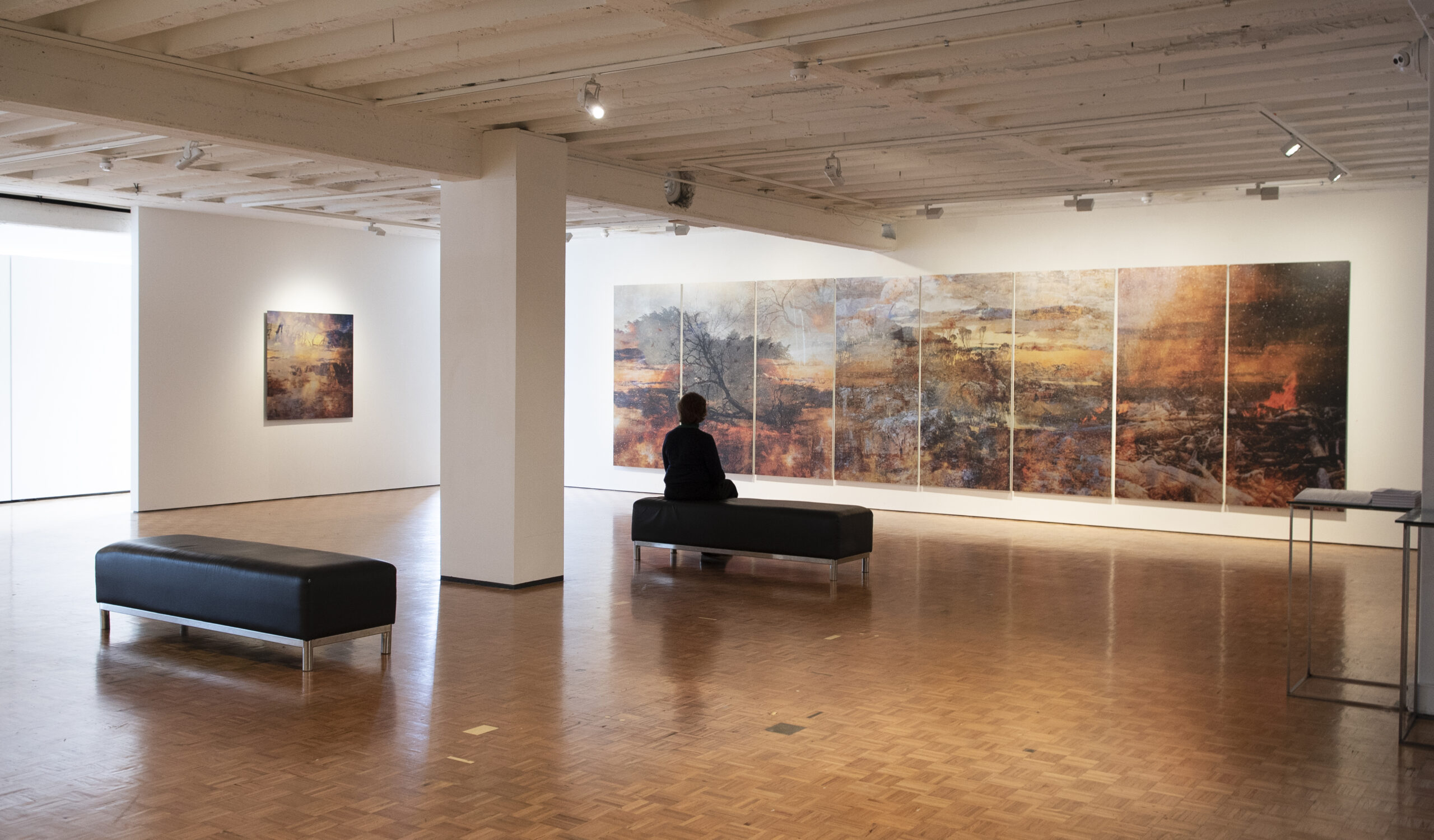
As siblings leading the gallery today, how do you balance honouring the family legacy with driving the gallery into its next chapter? We draw on the gallery’s history but bring our own energy to everything we do. Discovering new talent and championing bold projects keeps the gallery lively and relevant, while maintaining impeccable standards ensures we always showcase the very best in contemporary art. Looking ahead, we’re excited to keep pushing boundaries and shaping a vibrant future for the Tasmanian contemporary art scene and beyond.
With anniversary events planned for 2026, what can the community expect from the celebrations? We have an exciting lineup but are keeping things under tight wraps for the moment. There will be cake…stay tuned.
Looking to the future, what are your hopes for Bett Gallery’s next decade – both for the gallery itself and for the broader Tasmanian arts community? It’s tough out there in the arts right now, but the gallery will continue to grow as a bold, dynamic space that not only presents the very best in contemporary art but also drives and supports a vibrant, forward-thinking arts scene in Tasmania and beyond for the decades ahead.

Stay up to date with everything happening at the Hobart Magazine.