
13 Ways to Get Your Summer Thrills in Tasmania
Make the most of the longer days this summer with adrenaline-fueled adventures and nature-rich experiences, right on your doorstep.
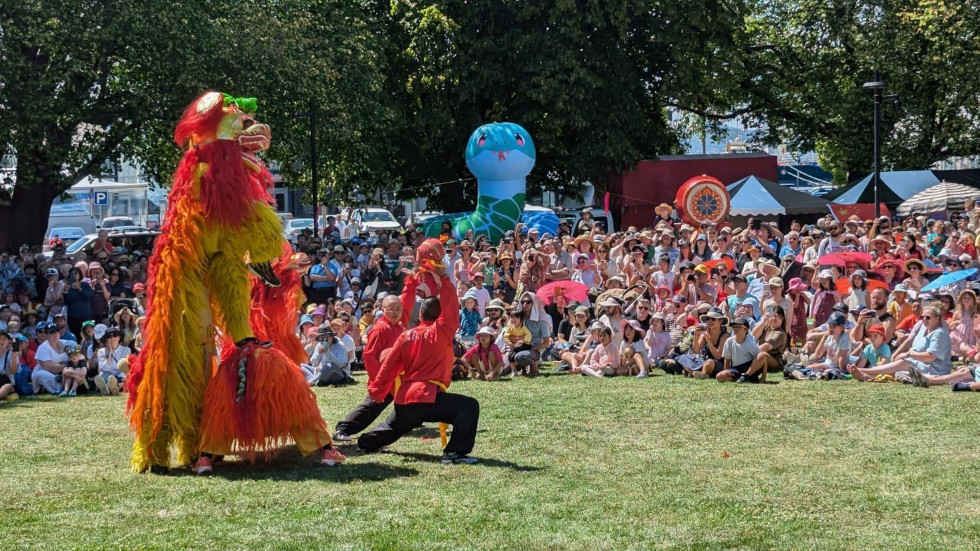
The Lunar New Year is a time of vibrant celebration for many communities, including Tasmania’s Chinese community. As we welcome the Year of the Horse, we spoke with Hingur Chung, president of the Chinese Community Association of Tasmania (CCAT) about the annual observance.
We are approaching the start of the Lunar New Year. What does this mean? Some of us will observe some Chinese customs. The Chinese in Tasmania come from so many different places in the world like Singapore, Malaysia, Thailand and Vietnam, (at different times) and every family has their own tradition. My mother came in 1950 from Guangdong (China) so our family celebrates in ways that are both traditional and modern. There’s a lot of spring cleaning, sharing of meals, especially fish and oysters. We distribute cash in red packets, called Hongbao. Modern families do bank transfers. We visit the cemetery, though there are families which studiously avoid this around new year. Usually it is return to school time here in Australia so the red packets go to school expenses.
What significance does the Year of the Horse have? All zodiac animals share noble characteristics. In Chinese culture, the Horse symbolises vitality, independence, and a forward moving spirit. Its significance is rooted not only in zodiac lore but also in history. The strength of a dynasty often depended on the strength of its cavalry, and China’s most coveted mounts were the legendary Fergana horses from Central Asia, known as “Heavenly Horses” (汗血馬). Their muscular build and spirited posture appear frequently in Chinese paintings and tomb figurines, capturing the energy, prestige, and momentum they represented.
How is the Tasmanian Chinese community celebrating? The Tasmanian Chinese community celebrates Lunar New Year with warmth, generosity, and a spirit of welcome, and there are many ways for readers to join in. The best seasonal greeting is 恭喜恭喜 gongxigongxi (Congratulations) or 恭喜身体健康 gongxishentijiankang (Congratulations and good health). Many people also say 恭喜发财 gongxifacai (Congratulations and good fortune), which is perfectly suitable in business settings, though less appropriate for public servants or police, as it can sound like a wish for financial gain. Family get-togethers are all important, try to dress well and wear new things. For the CCAT we are busy training for the dragon dance and the lion dance and making preparations for the festival.
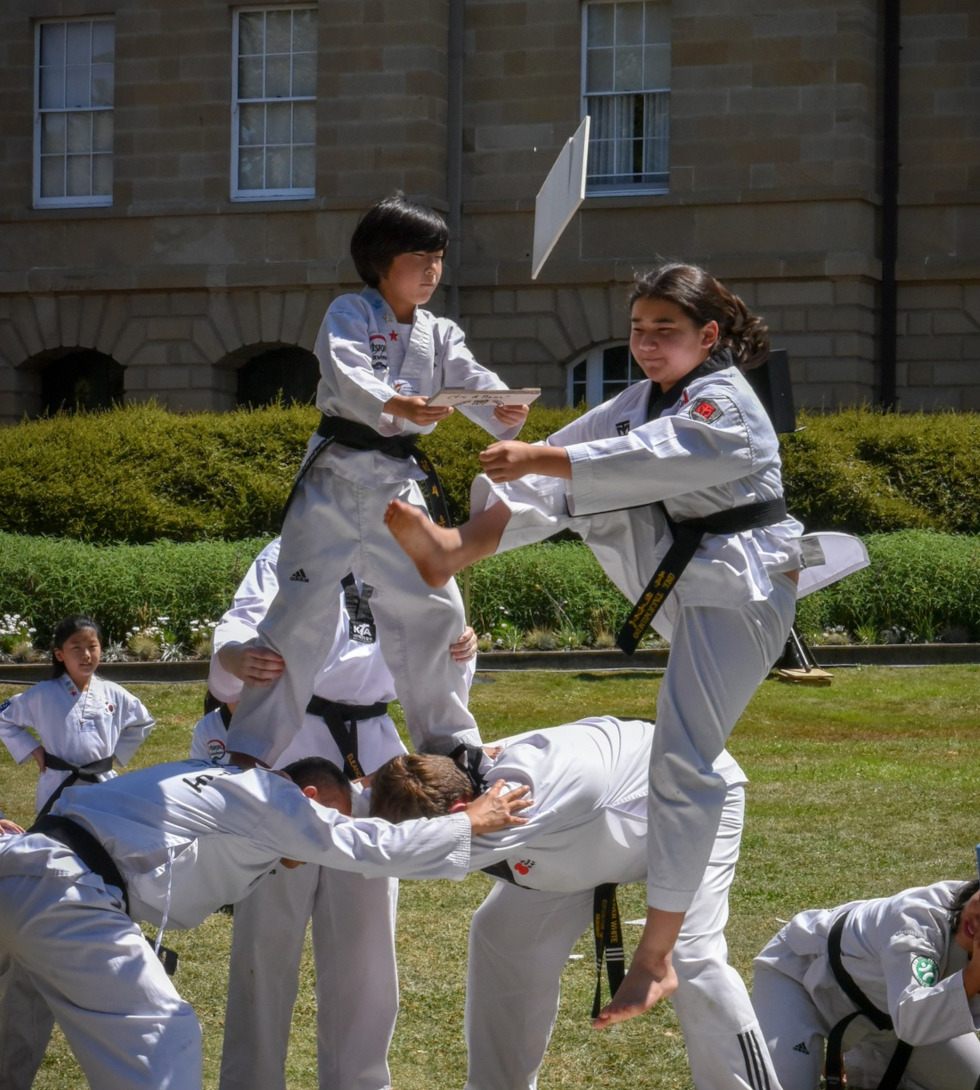
Tell us about the upcoming festival. This year we celebrate the Lunar New Year on 17 February though our festival is on 22 February. The Festival, from 10am-4pm at Parliament Lawns, involves lots of networking and collaboration and will be followed up with a bigger community wide family friendly banquet celebration on 23 February. Everyone is invited to come along for family fun and entertainment. The celebration features a lively stage program with non‑stop dance and music performances, along with the traditional lion and dragon dances and firecrackers to welcome good luck. The Panda Zone has lots of games, cultural stalls from the Tasmanian Chinese Buddhist Association, Chinese medicine practitioners, crayon rubbings and calligraphy artists offer opportunities to learn and explore. Visitors can also enjoy information displays from community sponsors, food vans serving Asian dishes and oysters, and pony‑patting sessions with Horse Play.
We also acknowledge our collaboration with TECS, whose work promotes practical tools to help families stay safe and connected. By learning, checking in, and supporting one another, we strengthen our community and help reduce social isolation and domestic violence.
The festival is a chance to celebrate culture, enjoy great food and performances, and stand together as a community—everyone is welcome to take part.
Stay up to date with everything happening at the Hobart Magazine.