
13 Ways to Get Your Summer Thrills in Tasmania
Make the most of the longer days this summer with adrenaline-fueled adventures and nature-rich experiences, right on your doorstep.
The Australian Pesticides and Veterinary Medicines Authority (APVMA) recently approved salmon producers’ use of Florfenicol, an antibiotic used to treat P. salmonis, a marine bacterium. The bacterium causes disease in salmon and global evidence confirms it’s a major contributor to high mortality rates in salmon farming. According to Tasmania’s Environment Protection Authority (EPA) the antibiotic Florfenicol has previously been used in Tasmania in small quantities between 2007 and 2010. The Department of Health issued precautionary advice to recreational fishers about exposure to Florfenicol antibiotic residues, ahead of use in commercial salmon farming, so they could make a choice to consume fish caught near farms using the antibiotic or not.
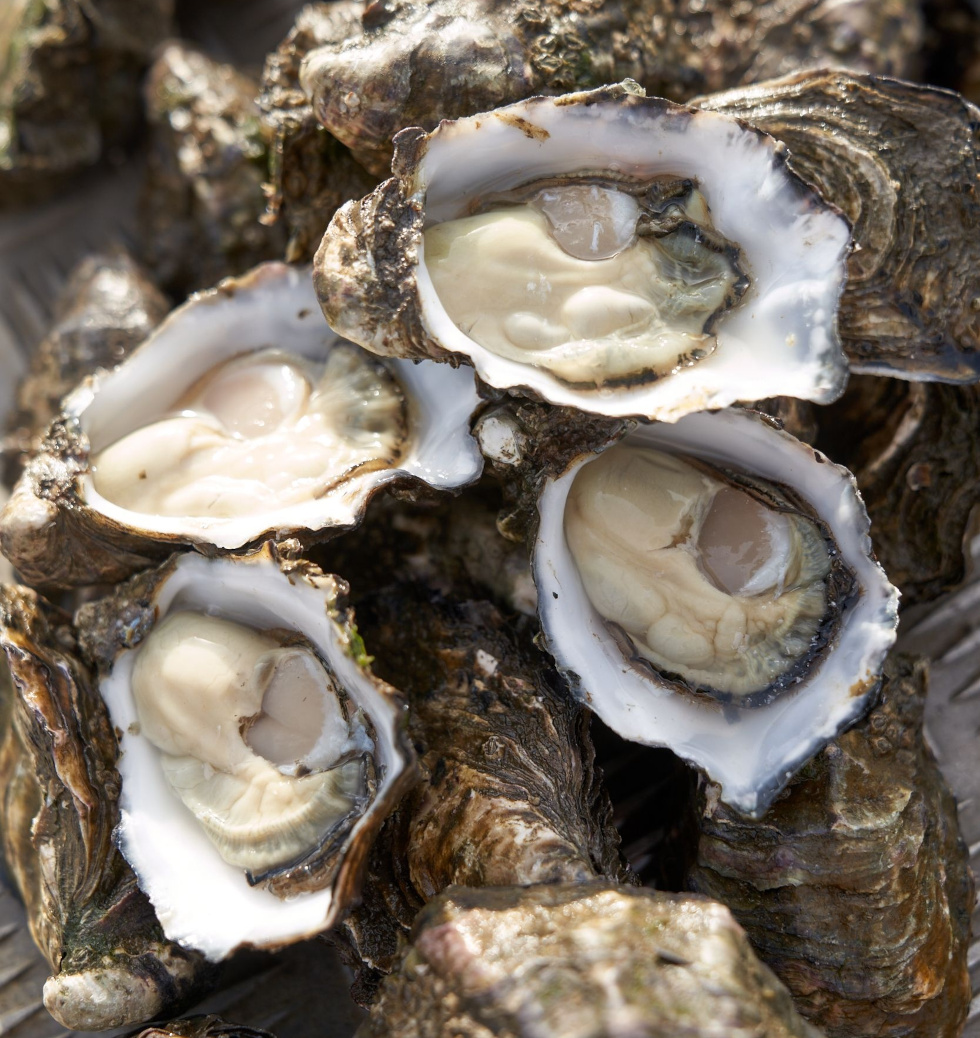
The rock lobster season was abruptly halted in November, hours after it opened. According to a Department of Natural Resources and Environment Tasmania (NRE) spokesperson, the decision to not reopen a portion of the commercial rock lobster fishery to the south of the D’Entrecasteaux Channel is a “short-term highly precautionary measure to safeguard industry’s export market access.” If this is a concern for rock lobster fishers and recreational fishers, would it be a concern for oyster farmers too? CEO of Oysters Tasmania, Duncan Spender shared with us, “There is no impact on our industry. No farm currently producing oysters is within three kilometres of the salmon farms using Florfenicol. Like the rest of the Tasmanian community the oyster industry will nonetheless keep abreast of the issue.” NRE also shared, “There are no actively farmed oyster leases within the areas where florfenicol is being administered.” You can head to www.maps.thelist.tas.gov.au to view maps of affected areas.


Stay up to date with everything happening at the Hobart Magazine.