
13 Ways to Get Your Summer Thrills in Tasmania
Make the most of the longer days this summer with adrenaline-fueled adventures and nature-rich experiences, right on your doorstep.
Words: Annia Baron
The burning desire for something that many of my neighbours possessed was enough to turn me from an ordinary, well-behaved woman to an unsuspecting voyeur. I would swell with envy when my eyes spotted them while driving through my area. The same day, every week, there they were. Groups of them would line the streetside, erect and full to the brim, as if on display to make me jealous. Where I live, garbage trucks don’t drive past your home and collect your rubbish; you’re responsible to dispose of your own trash.
Comparing ourselves to others is a natural human behaviour. The evolution of our brain’s sophisticated social appraisal system began with early homo sapiens, who relied on tracking interactions with others for a sense of safety and belonging. Historically, generations measured themselves against a small, local circle of family, neighbours, or co-workers, but in the modern era of online living, that same social radar now processes billions of curated profiles. Although our minds have extraordinary capacity for adaptation, relentless comparison is robbing our brain of the valuable items that are pivotal for happiness.
The burglary occurs with the amount of information we’re absorbing. In the mid-80s the average person was exposed to 40 megabytes of data per day, which is comparable to under an hour of radio listening or TV viewing. Today, the sensory and digital input has skyrocketed to an estimated 74 gigabytes. That’s the visual equivalent of watching sixteen movies or reading over 200,000 words every day. The inundation of exposure means greater opportunity for larceny by clever advertising. Marketing sleuths blindfold you with idealised lifestyles purposefully designed to make you feel left behind. Together with leveraging your fear of missing out, they conjure testimonials and use celebrities or influencers to show you how easily others are succeeding. Fifty years ago, our brains absorbed 74 advertisements a day, but now, it’s between 4000 to 10,000 brand messages daily. That’s a tsunami of comparison!
Anything that makes you feel inadequate triggers a physical threat response in your brain, which increases stress hormones and impairs the way your prefrontal cortex activates logic and creative thinking. Chronic evaluation of others correlates with increased anxiety and depression and opens the floodgates to a “sea of should” (e.g., I should be like them, I should be doing more etc.). The ransacking that occurs during comparison also creates a dopamine trap: You feel rewarded when you’re ‘ahead’ but inferior when you compare yourself against an endless stream of other people’s highlights.
The good news is that you can reduce the negative effects of comparison, without feeling like you’re back in the dark ages.
Whether it’s your friend’s shiny new electric Kona, the elusive promotion your co-worker received, or other municipalities being privy to council rubbish collection, remember, there’s nothing to covet. Don’t let the constant static of the online world saturate your brain with falsehoods about being left behind, instead safeguard the parameters of your mind by overseeing what you choose to be exposed to. You’ll reap big rewards from even the smallest of changes. And remember, you are a tremendously adaptable homo sapien.
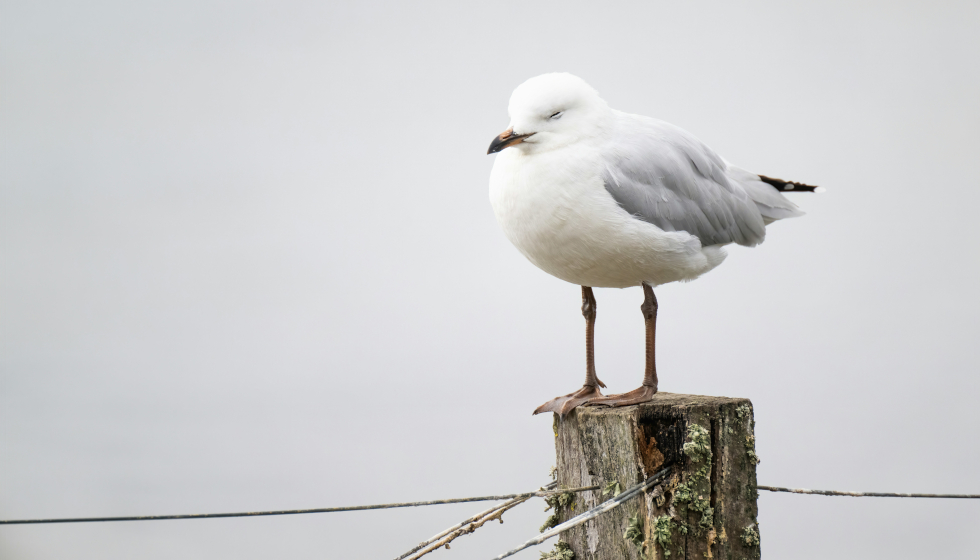
Seagulls – known for snatching food mid-air, off boats, and straight from the hands of unsuspecting humans – may be the thieves of the beach but the long-tailed Macaques are the true professionals when it comes to organised crime. Primarily found in southeast Asia, these curious and opportunistic monkeys are known to steal items such as glasses, hats, and phones and then hold them for “ransom” until the humans trade these belongings for food.
Annia Baron is a Clinical Psychologist & Mindset Coach. Want to create a life you desire and deserve? Get in touch @anniabaron or visit www.remindyourself.com
Stay up to date with everything happening at the Hobart Magazine.