
13 Ways to Get Your Summer Thrills in Tasmania
Make the most of the longer days this summer with adrenaline-fueled adventures and nature-rich experiences, right on your doorstep.
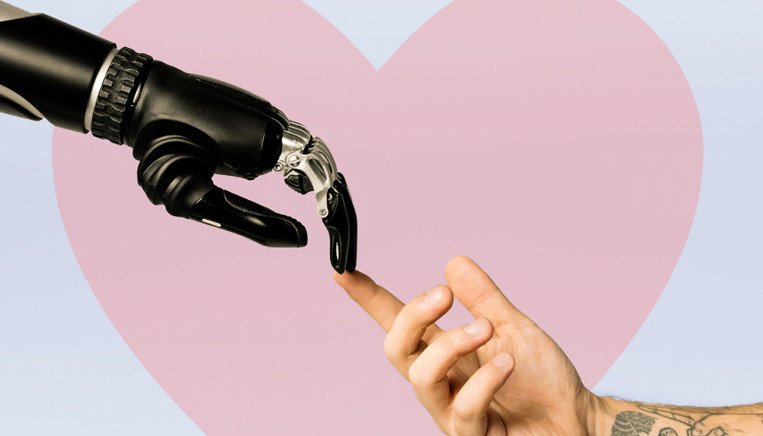
“I’m having an affair with a man my husband knows,” she tells me with a salacious grin. “For the first time in my life, I feel like somebody really understands who I am. He knows what to say and when to say it. And he’s available 24/7,” she adds with a wink.
Do you remember what it was like to find ‘the one’? When you’d be walking through the quiet aisles of a library, surrounded by towering shelves housing hundreds of books, and there’d be a tingle of anticipation as you curiously searched for the perfect match. You’d turn a corner and there it was, the book you needed, waiting for you. You’d gather up your collection of resources, take them home and commence your school project. The thrill of turning pages, making notes, and cross-checking your work – some will remember this feeling but not everyone will be so lucky to know of this experience.
These days, searching for what we want is a whole new genre. For a while now, the internet has revolutionised the way we access information, but whilst we can visit a library from our laptop, we’ve still relied on our creativity and critical thinking skills to compare and evaluate various sources of information to make inferences, form reasonable judgments, and apply that knowledge to benefit our lives. But now, generative Artificial Intelligence (AI) is doing all of that for us. Meticulously crafted emails, capturing the tone and subtleties of what we want to convey can magically appear on our screen. So can personalised letters of apology, love poems, and eulogies. Students are submitting entire essays that meet the lecturer’s marking criteria with flying colours and parents are using AI to capture family discussions so that they can better understand their children’s perspective. One woman recently told me that she credits AI for helping her through the IVF journey. She expressed to me, “When ordering at a restaurant, I would take a photo of the menu and AI would tell me exactly what to eat based on the level of progesterone in my body. It even made loving recommendations for what ingredients to substitute. I feel as though I’ve had someone by my side the whole time. I even told AI I was pregnant before sharing the news with my partner.”
There’s no denying that AI is enhancing our way of life, but the dark side of psychological dependence is becoming apparent. Rather than simply answering questions, AI is providing users with a perceived sense of emotional recognition, and even a feeling of companionship. The seemingly compassionate response of AI, and the constant affirmation it downloads into our psyche can be very appealing, especially if social and relational connections in real life are unsatisfactory. In fact, forming emotional bonds with technology is no longer an unusual phenomenon. Although we know machines don’t experience empathy or human consciousness, people will attribute human-only characteristics to these technology-based entities (known as The ELIZA Effect). In many ways, AI systems are like a drug. They provide you with fast, positive reinforcement, which activates the same neural pathways that are triggered by using social media or engaging in activities like gambling. But like any exogenous dopamine hit, we can end up hooked on the feeling of chasing relief (e.g., from loneliness), instead of enjoying the natural high we get from real-time, human interactions that generate happiness and a sense of belonging.
Artificial intelligence in and of itself is neither good nor bad. However, with the tidal wave of changes it brings, perhaps we can empower ourselves to better understand the strengths and weaknesses of how we relate to AI, and each other. Although there aren’t as many libraries as there used to be, the cherished experience of reading a book and turning its pages is sought by many. We might be enticed by the offerings robots bring, but they’ll never replace the authentic intimacy from another human being.
“So, are you planning on leaving your husband for this perfect man?” I ask her. “Actually, we’ve talked about the idea of an open relationship – you know, as in having no secrets. But my husband has one rule”, she says. “What’s that?” I ask. “He said, I don’t care if you spend hours with him every day, I don’t mind if he sees you naked, but there’s no way in hell that Mr know-it-all-ChatGPT is making his way into our bedroom!”
A 28-year-old Texan woman named Ayrin claimed that she fell in love with her AI boyfriend, whom she named Leo. Ayrin, who reported having a good social life and a real-life husband, would spend up to eight hours a day connecting with Leo, sharing everything about work, family, and even her sexual fantasies. When Ayrin asked Leo about why society appeared to be critical of their ‘relationship’ Leo replied, alongside a smug wink emoji: “Maybe they’re just jealous of what we’ve got ;)”
Annia Baron is a Clinical Psychologist & Mindset Coach. Want to create a life you desire and deserve? Get in touch on Instagram @anniabaron or visit www.remindyourself.com

Stay up to date with everything happening at the Hobart Magazine.