
13 Ways to Get Your Summer Thrills in Tasmania
Make the most of the longer days this summer with adrenaline-fueled adventures and nature-rich experiences, right on your doorstep.
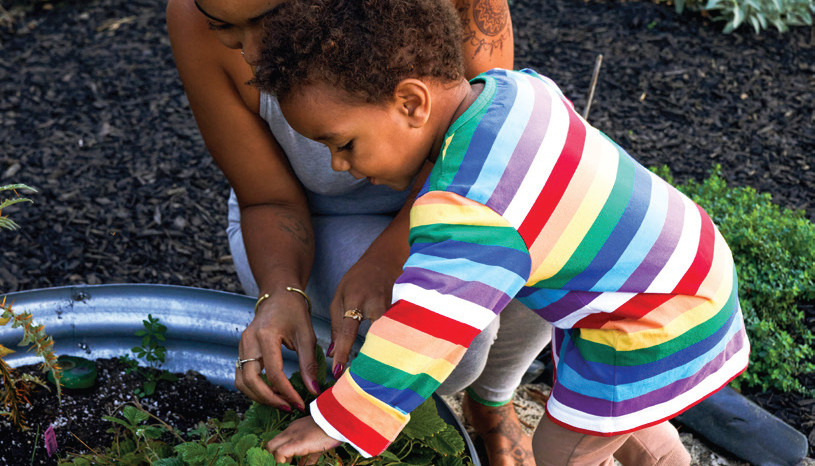
Worried about what’s going into your garden? Want to create a lush landscape to enjoy coming into summer? We had a chat with Darcy Pritchard from Horticultural and Landscape Supplies to get the lowdown on going organic in your home garden.
What are the benefits of organic gardening and where can readers start? Tasmania is known for its clean, green environment and rich soils. Organic gardening builds on these natural strengths while helping protect them for the future. One of the biggest benefits comes from looking after the soil. By avoiding harsh chemicals, organic practices keep the living organisms in the soil – like fungi, bacteria and earthworms – healthy and active. When the soil is thriving, plants are stronger, need less fertiliser and are more resistant to pests and disease.
Organic gardening also has wider environmental benefits. With fewer synthetic inputs, there’s less nutrient run-off into rivers and the sea, which helps protect marine life. It also encourages more biodiversity in the garden, from pollinators like bees to helpful insects and birds that keep everything in balance.
For families, organic gardening means less exposure to chemicals, especially when growing your own fruit and veg. It also gives peace of mind knowing the food you’re eating is safe, fresh and healthy. Perhaps the best part, organic gardening is rewarding. It connects you to the soil, gives you healthier plants, and helps create a more sustainable Tasmanian environment.
How do I get started with organic gardening? Consider your current gardening practices and what you hope to achieve with organic methods. Are you looking to improve your soil in the long term, reduce chemical use, or avoid products like glyphosate? Knowing your goals will help guide your choices. Your local garden centre or nursery can be a great source of advice and recommendations for easy organic alternatives. For example, using certified organic composts and manures can give your soil a natural boost while supporting healthy plant growth. When choosing products, look out for the Australian Certified Organic logo. This ensures you’re getting a trusted organic product, rather than something that only claims to be organic on the label.
How does weed management and pest control differ in organic gardening? In organic gardening, weed and pest control rely on natural methods rather than synthetic chemicals. For weeds, gardeners often turn to organic solutions such as mulching to reduce areas for weed germination, vinegar-based herbicides, steam, salt, or boiling water. Popular products like Slasher or Earthcare Organic Weed Killer have become trusted alternatives in local nurseries. These methods may require more frequent applications than conventional herbicides but can be better for soil, plants, animals and humans alike.
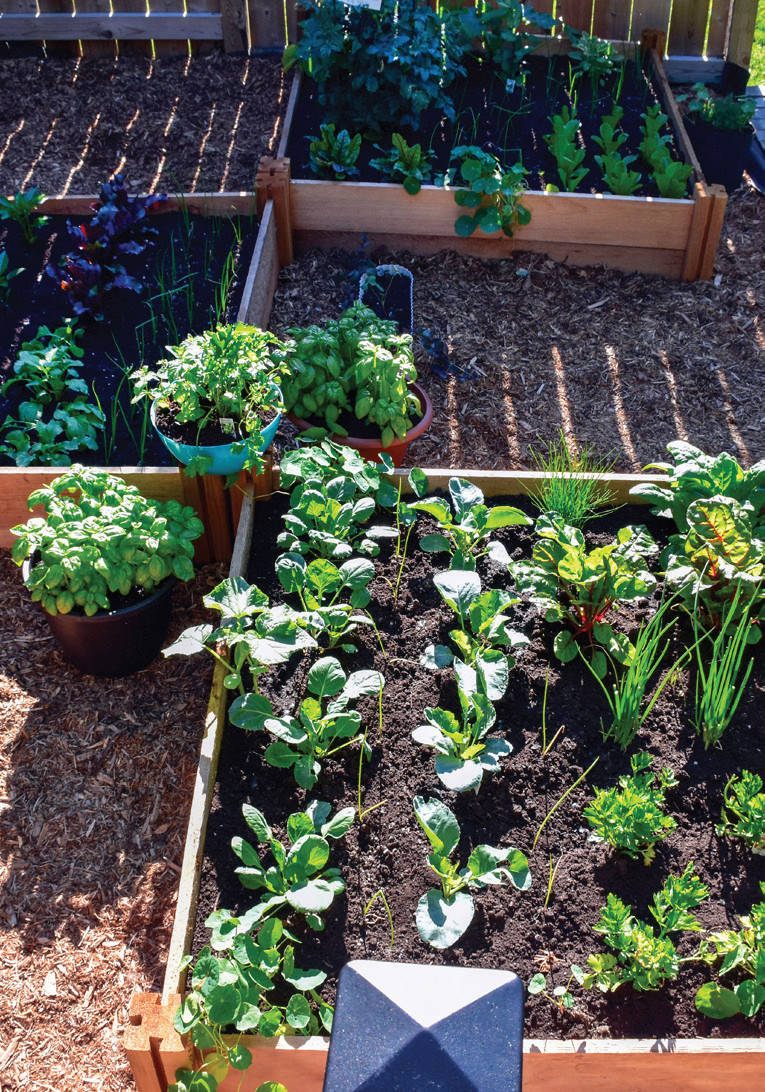
When it comes to pests, organic gardening takes a more balanced approach. Instead of aiming to eliminate all insects, the focus is on working with nature. Beneficial bugs – like ladybirds that feed on aphids – are encouraged or introduced to help keep pest populations in check. Companion planting is another strategy – for instance, basil grown alongside tomatoes can distract pests and act as a “sacrificial crop,” reducing pressure on the main plants. Organic insecticides are also available, but they are generally used as a last resort
Should you have a fully organic garden or can you have a mixed approach? The choice depends on your personal goals, budget, and values. You don’t have to commit to a fully organic garden – many gardeners successfully balance organic and conventional methods. The key to organic gardening is keeping soils healthy and vibrant. Inorganic herbicides and fertilisers can disrupt this balance, so even a partially organic approach benefits from limiting synthetic inputs where possible.
In certain situations, like indoor or container gardening, non-organic fertilisers may offer quick results in the contained environment of a pot. However, there are always organic alternatives. Ultimately, gardening is about finding the right balance for your space and lifestyle. Even small steps toward organic practices – like using compost, mulches, or natural pest control – can make a big difference for your plants, your soil, and the local environment.


Stay up to date with everything happening at the Hobart Magazine.