
13 Ways to Get Your Summer Thrills in Tasmania
Make the most of the longer days this summer with adrenaline-fueled adventures and nature-rich experiences, right on your doorstep.
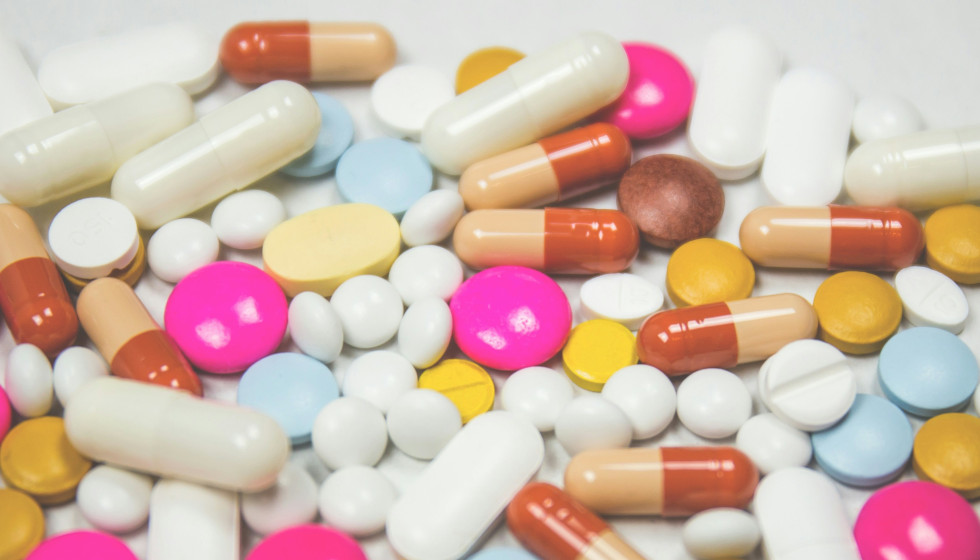
How would you respond if you were taking medication, feeling that it was helping, to then learn that when clinical trials were undertaken to gain its approval, the effects of the drug didn’t outperform that of a sugar pill? What if you also knew that during the testing period, the sugar pill produced better results than the actual drug. Would you continue taking your medication?
One of the most fascinating placebo studies was conducted in 2002 with 180 patients who were diagnosed with osteoarthritis of the knee. They were randomly assigned into three groups, all unaware of which treatment they would be receiving. The first group underwent surgery to remove cartilage, the second didn’t have bone removed but their joint area was cleaned with saline solution, and the third were given a placebo procedure, whereby small incisions were made into the patient’s skin to make it seem that surgery was performed. Compared to those who had operations, people in the placebo group reported significantly lower levels of pain following their ‘surgery’. Even after two years, the participants in the placebo group maintained the same effects (and some, better) compared to those who were operated on.
It’s one thing to be involved in a medical trial, where you give consent to the possibility of being deceived but in the real world, it’s not so simple. When Professor Kaptchuk from Harvard Medical School wanted to explore what would happen if we were upfront about placebos – in other words, telling people they are taking a sugar pill or receiving an inert treatment – his colleagues thought he was nuts. After all, the premise of a placebo effect rested on the assumption that it needs to be concealed in order to work. However, he repeatedly found that even when people were told they would be given an inactive treatment (referred to as open-label placebo), it still helped them feel better. In his study of participants with irritable bowel syndrome, the effects for those who were informed they were taking a placebo were equally successful compared to those who weren’t told upfront.
Why do we get better even if we know the treatment isn’t real?
There are two theories for why open-label placebo can be effective:
Could it be that open-label placebos are generating positive results because patients are just telling researchers what they want to hear? Perhaps. But studies show physically measurable changes too, including reduced neural markers of pain and stress and associated brain waves.
The American Medical Association states placebos are ethical to use in enhancing healing on their own or with standard medical treatment, only if agreed to by the patient. In clinical settings physicians might use placebos in more subtle ways, such as expressing a strong belief of the likelihood that a particular treatment is helpful. A survey of physicians in the UK found 97% acknowledged using some form of placebo and in Australia, approximately 80% of GPs believe that openly providing placebos with the patient’s knowledge is ethical. Doctors who use placebos report they do so because they believe placebos could provide genuine benefit and viewed themselves as having a strong role in shaping patients’ expectations.
Placebo effects demonstrate the power of the mind and give us insight into our ability to harness it. Although open-label placebos can bypass the deceptive nature, there’s more research to be done. By learning about how our brain and body make sense of these processes, and how expectations can influence our reality and treatment outcomes, we can continue making decisions that feel right for our individual needs and honour our unique personal health desires.
Did you know that studies have shown that the size and colour of a pill can influence its effects? A big orange pill can reduce pain better than a small, red one. Blue coloured pills tend to have more of a sedative, relaxing effect.
Full references are available at www.thehobartmagazine.com.au.
Annia Baron is a Clinical Psychologist & Mindset Coach. Want to learn more about mindset tools to create a life you desire and deserve? Get in touch on Instagram @anniabaron or visit www.remindyourself.com
Stay up to date with everything happening at the Hobart Magazine.