
13 Ways to Get Your Summer Thrills in Tasmania
Make the most of the longer days this summer with adrenaline-fueled adventures and nature-rich experiences, right on your doorstep.
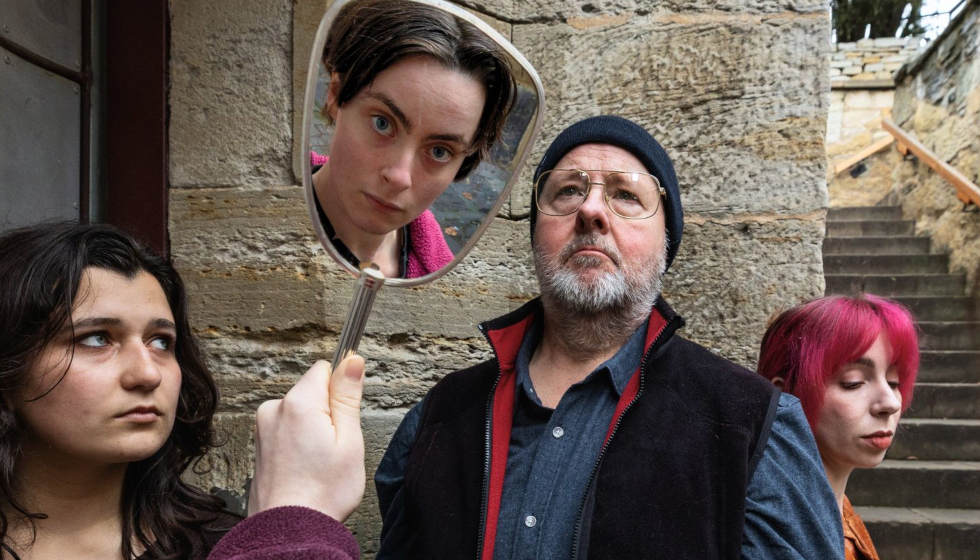
As a co-artistic director of Bad Company Theatre, Emma Skalicky produces work that is brave and thought provoking. This month she is also taking to the stage as an actor in Tom Holloway’s play, Beyond the Neck. It explores a tragic time in Tasmania’s recent history, when events at Port Arthur drew national attention in 1996. Known for bold, contemporary storytelling with compassion, Bad Company Theatre, recently won three Tasmanian Theatre Awards for their comedy, Sunday Roast, plus a special award for their commitment to audience inclusivity and accessibility in 2025.
What made this feel like the right time to bring Beyond the Neck back to Tasmania for the first time since 2007, for the 30th anniversary?
When Mel, the director, pitched the show to us last year a big part of the conversation we had was remembrance. There’s a whole generation of adults who don’t remember April 28th, or only know about it as a history lesson kind of thing, but 30 years isn’t that long ago and it still affects people to this day. Beyond the Neck‘s original 2007 run was about coming together and sharing in grief as the media blackout on survivors’ statements was lifted. I really hope this production does something similar – those lives aren’t forgotten at all. And when the world feels so particularly cold and scary lately, I think taking the time to remember is so important, so we can do better for the future. Also – it’s a really gentle play! It’s set in 2007 and doesn’t actually depict any violence, just its impacts. So it felt like the right story at the right time, and told in a very caring way.
You’re playing one of four strangers whose stories collide in the play. What’s that role been like to sit with?
Oh man, it’s been a huge honour. When Mel asked me to act in the show I was like – “me? Are you sure?” I can put a lot of pressure on myself to try and do right by a director and role. But it’s also been such a huge joy. The characters are brilliantly written. I’m playing a young mother who’s visiting Tassie on a holiday but is carrying her own grief. It’s weird, because she’s written as younger than I am, but has already had so many more life experiences than I have. It’s been a great challenge to figure out how to and play her truthfully, especially for audiences who will have experienced similar stuff. My head hurts from all the line learning, but in a good way.
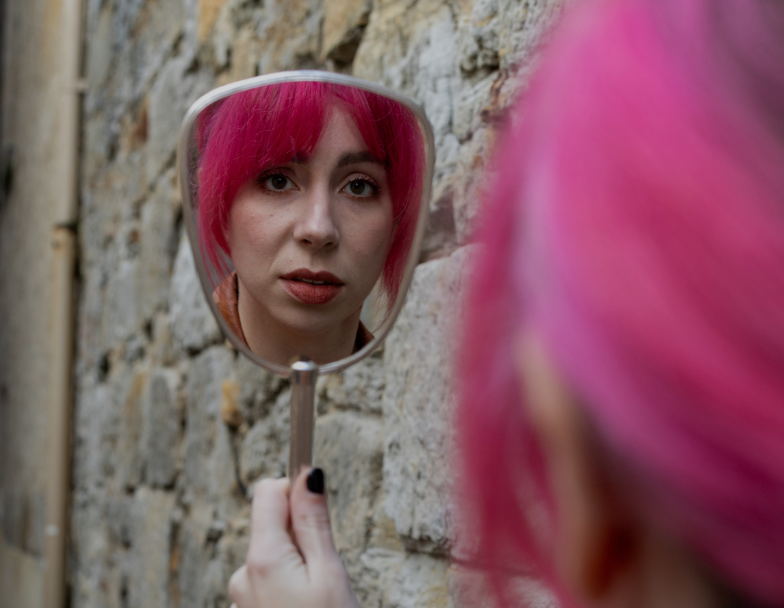
The show was written by Tasmanian playwright Tom Holloway in consultation with survivors and victims’ families. How has that shaped the way the cast approached it?
I think I can speak for all of us when I say that it’s really shaped the care we want to give to the work. Early on in the process we spoke to Tom and he said something that really struck me. We asked why he chose to make the characters fictional, rather than verbatim from the consultation process, and he said “I wanted to protect the people who were generous enough to open up to me, so they didn’t have to go through the exposure of having their story literally on stage.” I love that. Knowing the play comes from people who opened up their hearts, and that the playwright wanted to honour and protect them – I want to do that too. To do this with love, and do right by the people whose stories are represented here. So the whole process we’ve all thought a lot about the people – not the violence – the people.
Your castmate Hannah works as a tour guide at Port Arthur, and you’ve had guidance from Alan Andrews, who ran the site’s theatre program for 25 years. How has their input changed the production?
Oh, it’s been so amazing. Both Hannah and Alan have been incredibly generous with their knowledge and experience, and wanting us to understand the real beating heart of the community down Nubeena way. A few weeks ago we had dinner with Alan and then spent a day down at Port Arthur, and I was completely floored by how open-hearted everyone we met was. I think it’s really important that the work is framed around living humans who are still affected by this event – not something abstract or preserved in history. Hannah and Alan have helped that be our north star.
The production is raising money for the Alannah & Madeline Foundation. Why was that important to this production?
There’s a stage direction at the start of the script that I just love:
Before each performance the cast and crew should offer tea and biscuits or similar to the audience without charge. Not in the sense of an emergency centre, but purely to give something away for free.
That sentiment really resonates with me – give for the sake of giving. It felt important that, in telling this story, we do that. Alannah and Madeline Mikac were only six and three years old when they were killed, but they should be my age. Almost 3 million children have been helped in their memory. It felt only right to honour that memory too.
Your company, Bad Company Theatre just picked up three Tasmanian Theatre Awards for Sunday Roast. How does a comedy win square with taking on something heavier?
Ooh yes. So, Tai (my co-artistic director) and I like to curate our seasons around a theme or an ‘ask’. We’re real nerds like that – whether it’s funny or heartfelt, we like to do things with meaning. Sunday Roast was programmed in a year of shows that were all about challenging power (or, how do you do it) – and it was specifically a wicked, fun little satire about exploitation of the working class. This year, all our shows ended up being about grief (or, how do you sit with it?). Jen Silverman’s Witch was about grieving a world that could be better, Hamlet is ALL about grief and loss, and Beyond the Neck naturally landed as something closer to home. What’s nice, as well, is that the play itself isn’t always sitting in that heaviness – it lets its characters be playful and silly and fun. I really value stories that might be quite raw and sad, but still also want to be gentle with audiences and let them have moments of lightness – that’s really human, isn’t it?
Mind you, I do think next year we should curate a season around joy or something!
What do you hope audiences carry out of the theatre?
I’ve been thinking about this a lot. I know everyone will feel differently, and I think that’s a human right. But what I hope audiences carry out is something quite warm – storytelling as pastoral care. That the actual act of sitting in a room with a group of humans and feeling (whatever that feeling might be) together is so important to do for healing, and so we don’t forget the human cost of violence and desensitise ourselves to it. That sadness doesn’t need to be held alone.
Beyond the Neck by Tom Holloway, directed by Mel King. 11-19 September at the Peacock Theatre, Salamanca Arts Centre. Tickets via www.trybooking.com/DNVMP.
Stay up to date with everything happening at the Hobart Magazine.