
13 Ways to Get Your Summer Thrills in Tasmania
Make the most of the longer days this summer with adrenaline-fueled adventures and nature-rich experiences, right on your doorstep.
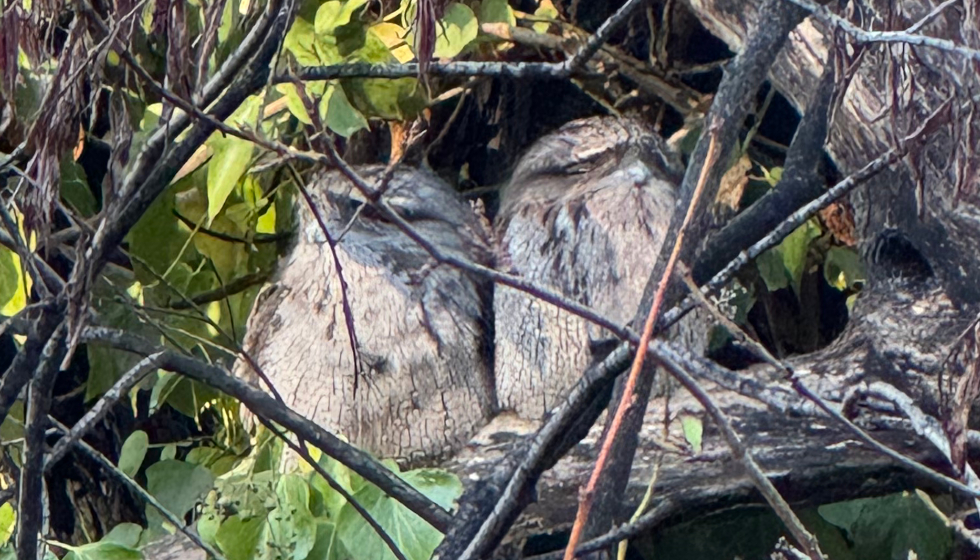
Users of the Hobart Rivulet Track may have noticed the works to remove invasive crack willows along the rivulet banks. According to the City of Hobart, the crack willow removal project is helping restore the rivulet with locally native vegetation and improve habitat for native wildlife in the long term. There are three Tawny Frogmouths (not to be mistaken as owls!) that regularly perch on a specific branch, and are known to locals. With the removal of the trees, including their favourite branch, the Tawnys haven’t been seen (at the time of print). City of Hobart Director Infrastructure and Assets Network David Reeve told us, “Before the crack willow removal works commenced, the City sought advice from bird experts at the University of Tasmania and NRM South. They advised that the three birds, two adults and a juvenile, use multiple roosting sites along the rivulet and regularly move between trees, including trees that are not being removed.” So where have the birds relocated to? “While the works may have caused the birds to temporarily move from the immediate area, expert advice indicated they were unlikely to be significantly disturbed,” Mr Reeve said. “One popular viewing branch was inadvertently removed during the works after having previously broken and become lodged in the tree.
“The deadwood branch used as a Tawny Frogmouth viewing perch was not intended to be removed and the tree itself was retained as planned; however, because the branch had already broken away from the tree and was lodged as a hanger, it was inadvertently dislodged during the removal of nearby willow trees,” Mr Reeve explained. “We will be planting two advanced native eucalypts in the area as part of upcoming community tree planting events.”


Stay up to date with everything happening at the Hobart Magazine.