
13 Ways to Get Your Summer Thrills in Tasmania
Make the most of the longer days this summer with adrenaline-fueled adventures and nature-rich experiences, right on your doorstep.
Words by Emily Quintin
Our city has always been shaped by water, but its relationship with the sea doesn’t stop at the mouth of the Derwent.
Look south from Hobart and Antarctica is out there, just beyond the horizon. For most of us it’s a place we know through images, research updates and the quiet movement of ships through the port. It can feel distant and abstract, but here in Hobart, Antarctica has a way of showing up in everyday life if you know where to look.
For many locals, Antarctica isn’t simply a remote continent. It’s part of who we are, linked to Hobart through vessels, institutions, researchers and the working waterfront.
This August, that southern connection is being explored at Maritime Museum Tasmania through David Neilson’s photographic exhibition Antarctica is Melting.
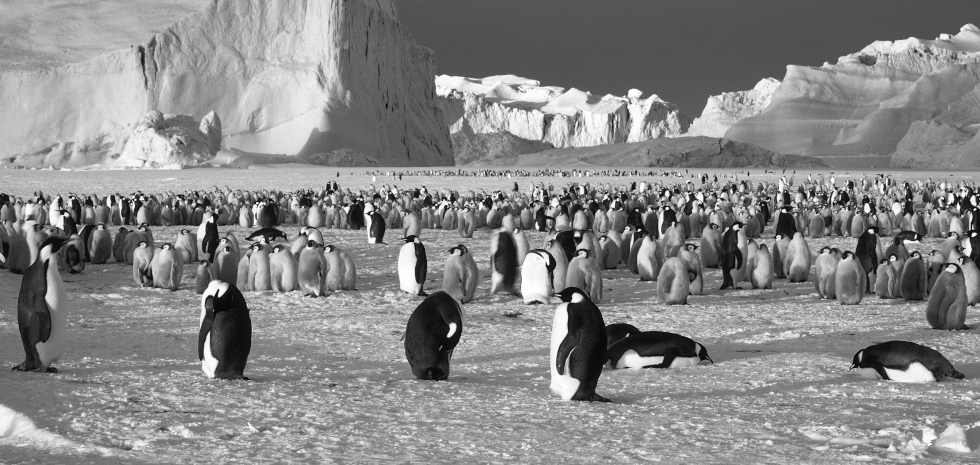
The exhibition draws on six journeys Neilson made to Antarctica and the sub-Antarctic between 1990 and 2009. His black and white photographs record ice, rock, sea and sky in contrast, shadow and form. Because of the absence of colour, these images invite you to spend time with the landscape and notice its scale, texture and mood. You begin to see the dramatic curve of ice, the weight of cloud, the darkness of rock, the surface of water.
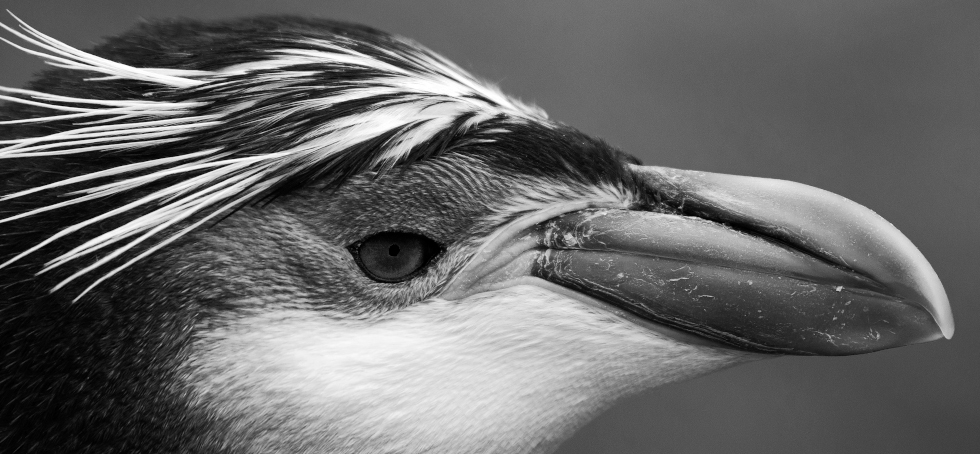
For those of us who haven’t been lucky enough for an opportunity to see Antarctica in person, it’s easy to picture it as a place completely remote and detached from the rest of the world. Neilson’s photographs show the landscape as vast and beautiful, but a place that isn’t removed from human influence. Like every part of the planet, it’s being affected by climate change – even Antarctica is being reshaped by the consequences of human activity.
Antarctica isn’t separate from our maritime story. The city’s connection to the south has been built through ships, crews, scientists, expeditioners, port workers and institutions. It belongs to the history of the waterfront, but also to the present-day life of the city.
That makes Antarctica is Melting a natural fit for a maritime museum. The exhibition isn’t only about an icy continent far away, it’s also about the relationship between oceans, climate, people and place. It asks us to think about how connected those things are, and how decisions made far from Antarctica can still affect its future.
Museums are often thought of as places that look after the past, but they should also help us think about the present. Maritime history is not only about old ships, exploration and trade routes. It’s also about the relationship between people and the sea, and about how that relationship continues to change.
As Hobart turns its attention south through Hobartica and the Australian Antarctic Festival, Antarctica is Melting offers a reflective way to engage with the region. Look closely, spend time with these striking images, and appreciate the wild beauty of a place so naturally connected with our city.
Maritime Museum Tasmania will offer free entry to Antarctica is Melting (and the rest of our collection displayed over two levels) on Saturday 8 and Sunday 9 August, during Hobartica, and again on Saturday 22 and Sunday 23 August, during the Australian Antarctic Festival. The free weekends have been made possible through funding from Arts Tasmania

Stay up to date with everything happening at the Hobart Magazine.