
13 Ways to Get Your Summer Thrills in Tasmania
Make the most of the longer days this summer with adrenaline-fueled adventures and nature-rich experiences, right on your doorstep.
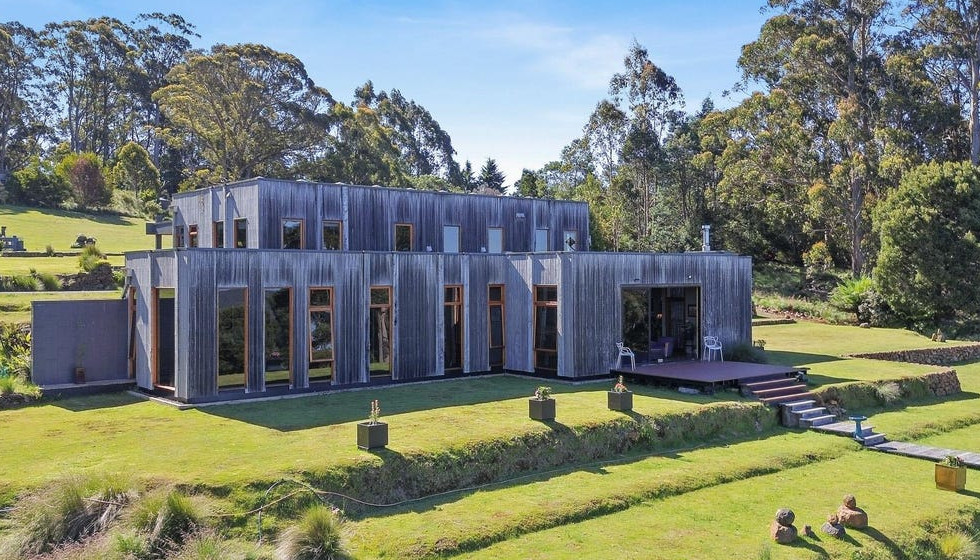
WHAT ARE CONSERVATION COVENANTS?
Some properties are protected by what’s known as Conservation Covenants. These covenants are voluntary, legally binding agreements under the Nature Conservation Act 2002, made between landowners and authorised bodies to permanently conserve ecologically valuable land. They stay with the property, keeping its natural values safe for future generations. Benefits include exemption from land tax (on covenanted areas), potential council rate rebates, erosion control through preserved native vegetation, and access to expert conservation support. The Private Land Conservation Program maintains the register of expressions of interest for new covenants, with priority given to land with significant natural values such as rare species.
675 Cradle Mountain Road, Erriba, (“Erriba Rise”) has a covenant attached to it. A 47-acre portion of the 76-acre property is protected under one of Tasmania’s earliest conservation covenants. The covenanted land at Erriba Rise is in pristine condition, requiring no maintenance, just a vigilant eye, and described as “very unusual, significant and of considerable ecological and geological interest.” It sits centrally among a cluster of adjoining covenanted properties (very rare in Tassie), together forming a 140-acre ‘private National Park’. Erriba Rise is already something special without its conservation covenant. Set in Tasmania’s north west, this three-bedroom modern home enjoys sweeping views of Forth Valley and beyond. Erriba Rise is currently on the market.
UNDERSTANDING FIRST TIME BUYERS
Curious how first-time buyers in Australia are coping with today’s housing market? Finder’s First Home Buyer Report 2025 dives into the motivations, behaviours and values of Australians getting into property for the first time.
First-time buyers feeling the pressure While 79 percent of first-time mortgage holders say they’re happy overall, this drops to 67 percent among those struggling to make their repayments, lower than the happiness rate of renters. That’s concerning given that nearly two in three (65 percent) first home buyers are either already in mortgage stress (defined as spending 30 percent or more of their gross income on repayments) or expect to be.
Budgets, saving, and regret In 2025, 70 percent of first home buyers aren’t waiting to save the typical 20 percent deposit before purchasing. Nearly half (47 percent) of buyers spent more than they had budgeted for, up from 38 percent in 2022. This is leaving some in a tough spot. One in seven recent buyers (14 percent) have no savings left, while one in three (33 percent) have less than $10,000 remaining. Almost half (45 percent) of those who bought their first home in the past year say they regret the decision.
Affordability in today’s climate Affordability remains a major hurdle. In 2017, the average Australian could afford a mortgage in 57 percent of suburbs. By 2025, that’s dropped to just 16 percent. “There’s no doubt the current system asks too much of buyers, particularly younger Australians and those without family wealth to draw on. Owning a home should not require a decade of saving, the help of your parents or the acceptance of mortgage stress as a norm,” said Graham Cooke, Head of Consumer Research at Finder.
WEST HOBART NAMED TASMANIA’S TOP LIFESTYLE SUBURB
West Hobart has taken out the top spot as Tasmania’s best lifestyle suburb, according to new research by MCG Quantity Surveyors using data from SuburbTrends. The study set out to identify suburbs with strong long-term growth potential and great lifestyle appeal, based on MCG’s Four-Pillar Lifestyle Index. The four equally weighted pillars are: coastal amenity (Beach), green assets (Nature), metropolitan access (Urban), and community depth (Family), adding up to a total score out of 20. West Hobart scored a perfect 20 out of 20. The research also found that many of the top-ranked suburbs across the country are showing some of Australia’s most resilient price growth. West Hobart’s median property value now sits at $1.12 million, up 2.7 percent from last year, and a 28 percent increase over the past five years. Coming in second was South Hobart-Fern Tree, with a median value of $945,000, followed by Sandy Bay in third, with the highest property value among the top 10 at $1.62 million. The most affordable suburb in the top 10 was Lindisfarne-Rose Bay, ranked seventh, with a median value of $725,000. For the curious, the best suburb in all of Australia in regard to lifestyle was Warringah in NSW.
GET TO WORK: IT’S SPRING CLEANING TIME
Spring has arrived in Tassie, which means its time to consider spring cleaning. But it doesn’t have to feel like a chore. With a bit of preparation and a positive attitude, it can be as fun as it is good for you and your home. Not only does a spring clean make your house look nice and improve your mood, it’s also beneficial if you want to sell your house.
MAKE A LIST Jumping into a deep clean without a plan can quickly turn into a headache, so you’ll be better equipped to tackle it if you start with a list. There’s nothing quite like the satisfaction of ticking items off as you go. Jot down everything that needs cleaning, then break it into categories like different rooms. Remember, the list doesn’t have to be exhaustive, just enough to help you feel in control.
ROOM BY ROOM Another trick to manage the cleaning chaos is to tackle one room at a time. Plus, if your cleaning carries over multiple days, you can pick up right where you left off without having to revisit rooms you’ve already conquered.
TOP TO BOTTOM When it comes to dusting your home, it’s best to start from the ceiling and work your way down. Why? Because gravity is your friend, pulling all that dust and gunk downward and saving you from the misery of having to reclean. If you’ve got a vacuum with an extension hose, put it to good use and tackle those cobwebs and dust bunnies hanging onto your ceilings. Then, move on to dusting your furniture and other surfaces before vacuuming up all that dust and debris from your floors. This is also your chance to clean any mould you see. Spring cleaning in Tassie is especially important since our cool, damp climate can lead to increased mould in the winter months.
DECLUTTERING As you clean, you’ll likely encounter clutter. It can be a stressful sight. Starting the decluttering process is a big job but rewarding, as it requires you to think differently about how you use your space. Russell Yaxley, State President of The Real Estate Institute of Tasmania (REIT), says an uncluttered home significantly helps sellers. “By doing this, it creates an environment that is appealing, feels larger, brighter and more inviting. It showcases the home’s best features without the distraction that clutter can bring. You are wanting buyers to connect to your home, to see themselves in the home, this is key in seeing positive interest,” he says. “While we all have our own individual style and way of living, when selling, you need to move from a living mode to a selling mode and decluttering is one of the most important factors in achieving this.”
DONATING Instead of tossing unwanted items, consider donating them. Remember the golden rule for donations: if you’d give it to a friend or family member, it’s in good enough condition to donate. Look into local op shops, tip shops and recovery centres. You could also support local organisations that give items to those in need, like Short of a Sheet or Hobart City Mission, among others.
MAKE IT FUN You can do other things while you clean, or find ways to make it more fun. An easy way is to put on headphones or turn on a Bluetooth speaker and listen to music, podcasts, or audiobooks. If you have cleaning partners helping you out, you can gamify it. See who can clean the fastest or find the weirdest forgotten knick-knack. Finally, once you’re really done, treat yourself with takeaway or a cheeky purchase. You deserve it.
HIRE SOMEONE Alternatively, you can skip this whole list and let someone else handle the dirty work! No judgement here. Whether you’re swamped with other commitments, just can’t face the mess, or simply prefer to spend your time doing something else, it’s perfectly fine to hire a cleaning business to do the work for you.
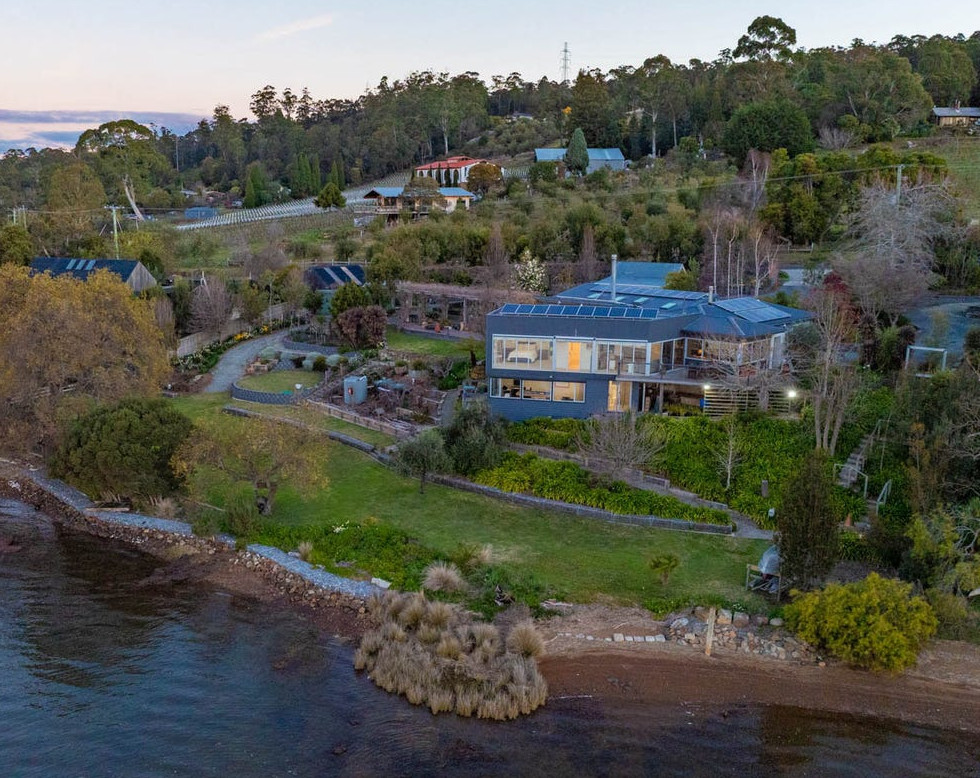
354 Deviot Road, Deviot
Indicative price: Expressions of interest
Agent: Phillipa Jenkins,
Jenkins & Co. Property
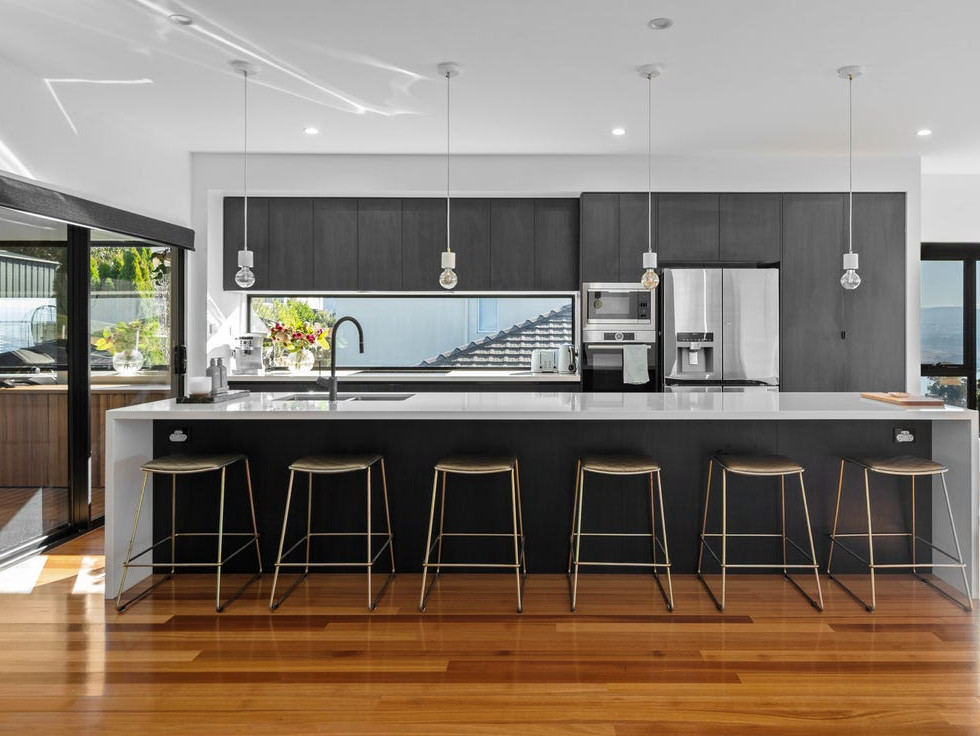
39 Floreat Crescent, Trevallyn
Indicative price: $1.595 – $1.745 Million
Agent: Luke French and Shelley Spencer, Harrison Agents

256 Preservation Drive, Sulphur Creek
Indicative price: $1.2 – $1.3 Million
Agent: Kurt Knowles, Harcourts

Stay up to date with everything happening at the Hobart Magazine.