
13 Ways to Get Your Summer Thrills in Tasmania
Make the most of the longer days this summer with adrenaline-fueled adventures and nature-rich experiences, right on your doorstep.
Creating a beautiful home doesn’t mean breaking the bank on every piece. If you don’t have serious cash to drop, the key to a well-designed interior is knowing where to invest your dollars and where to save – the ‘high-low’ approach. The principle is simple: spend on the bones of your room – the pieces you’ll use daily and that are difficult to replace – and save on the layers that add personality but can be easily swapped out.
Where to invest
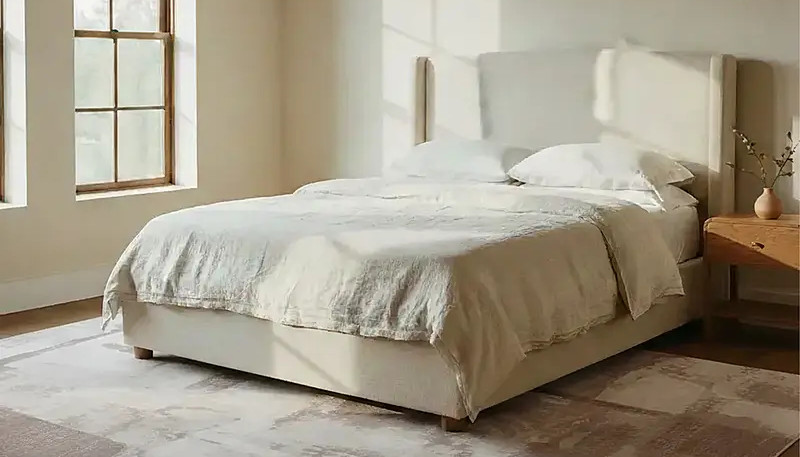
Spend time and money considering your couch situation. It’s the workhorse of your living room, enduring daily use for ten to fifteen years if you choose well. Look for hardwood frames, eight-way hand-tied springs, and high-density foam. Cheap sofas reveal their limitations quickly through sagging cushions and visible wear. Similarly, your mattress and bed frame warrant investment. You spend a third of your life in bed, making quality here non-negotiable for both comfort and health. A solid dining table is another foundational piece, as a focal point that takes daily use. Quality hardwood will last generations, while cheap veneer chips and deteriorates quickly. Don’t overlook lighting. While fixtures don’t need to be expensive, well-chosen lighting transforms a space entirely. Invest in quality overhead options and a few key task and ambient lights.
Where to save
This is where Tasmania’s thriving secondhand market becomes your best friend. Op shops offer artwork, decorative objects, vintage frames, interesting ceramics, and books – all at a fraction of retail prices. These pieces add personality and are easily swapped as your taste evolves.
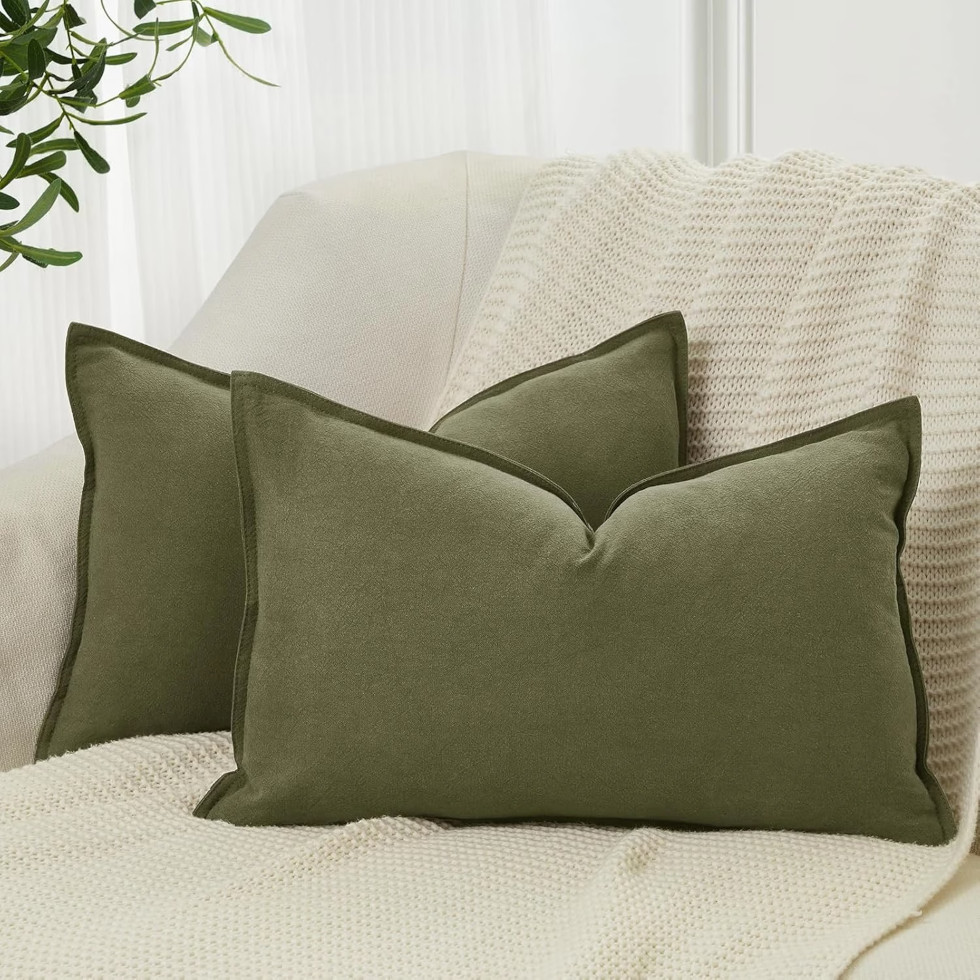
Throws, cushions, and textiles add colour and texture without requiring significant investment. Retailers like Kmart and Target offer perfectly acceptable options, with increasingly natural fibres and improving supply chains, and you can refresh an entire room’s mood with new cushions for under a hundred dollars. Side tables and smaller furniture pieces are ideal candidates for secondhand shopping. Facebook Marketplace regularly features quality pieces needing nothing more than fresh paint or new hardware. The same applies to rugs, vases, planters, and baskets—op shops particularly excel here, offering vintage pieces with far more character than mass-produced alternatives.
The art of mixing
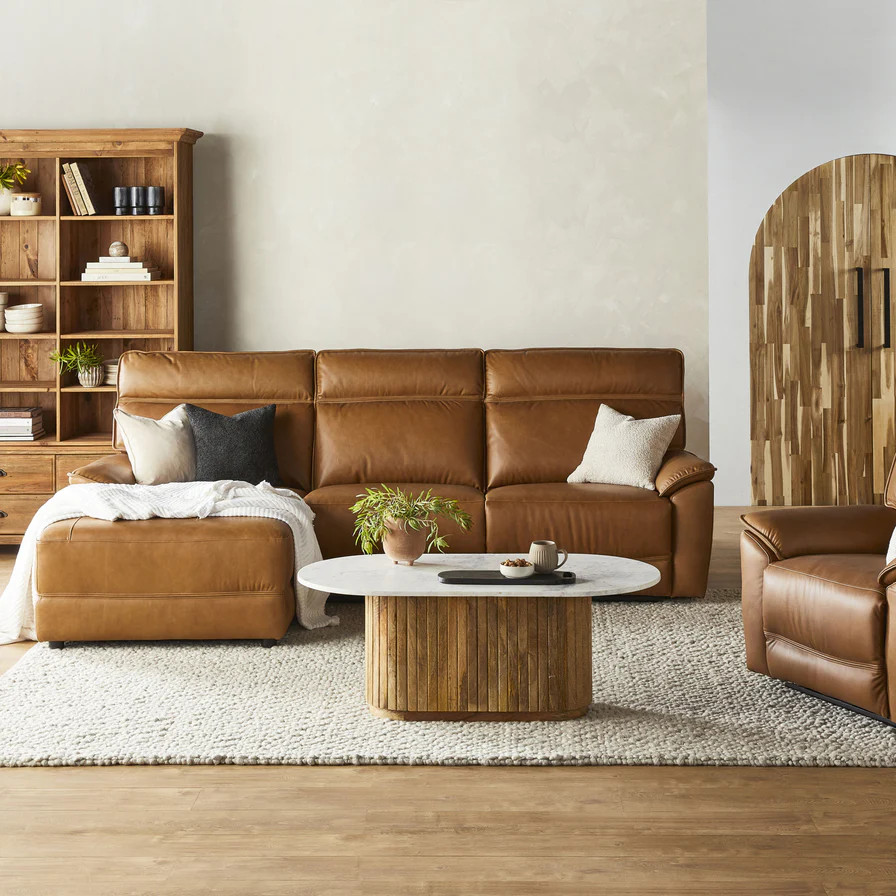
The magic happens when you combine high and low purchases thoughtfully. A quality sofa topped with op-shop cushions, a solid dining table surrounded by Marketplace chairs you’ve repainted – this mixing creates a collected, personal aesthetic rather than a showroom uniformity. This approach saves thousands whilst creating spaces that feel both considered and comfortable. Better yet, it’s sustainable, giving preloved pieces new life whilst keeping your budget healthy for the investments that truly matter.
Stay up to date with everything happening at the Hobart Magazine.